Safe in pregnancy? · Foods
Mayonnaise in pregnancy: is it safe and when should you avoid it?
The line between safe and unsafe mayonnaise in your pregnancy comes down to the type of eggs used and how it is stored.
Mayonnaise in pregnancy: commercial jars versus homemade recipes
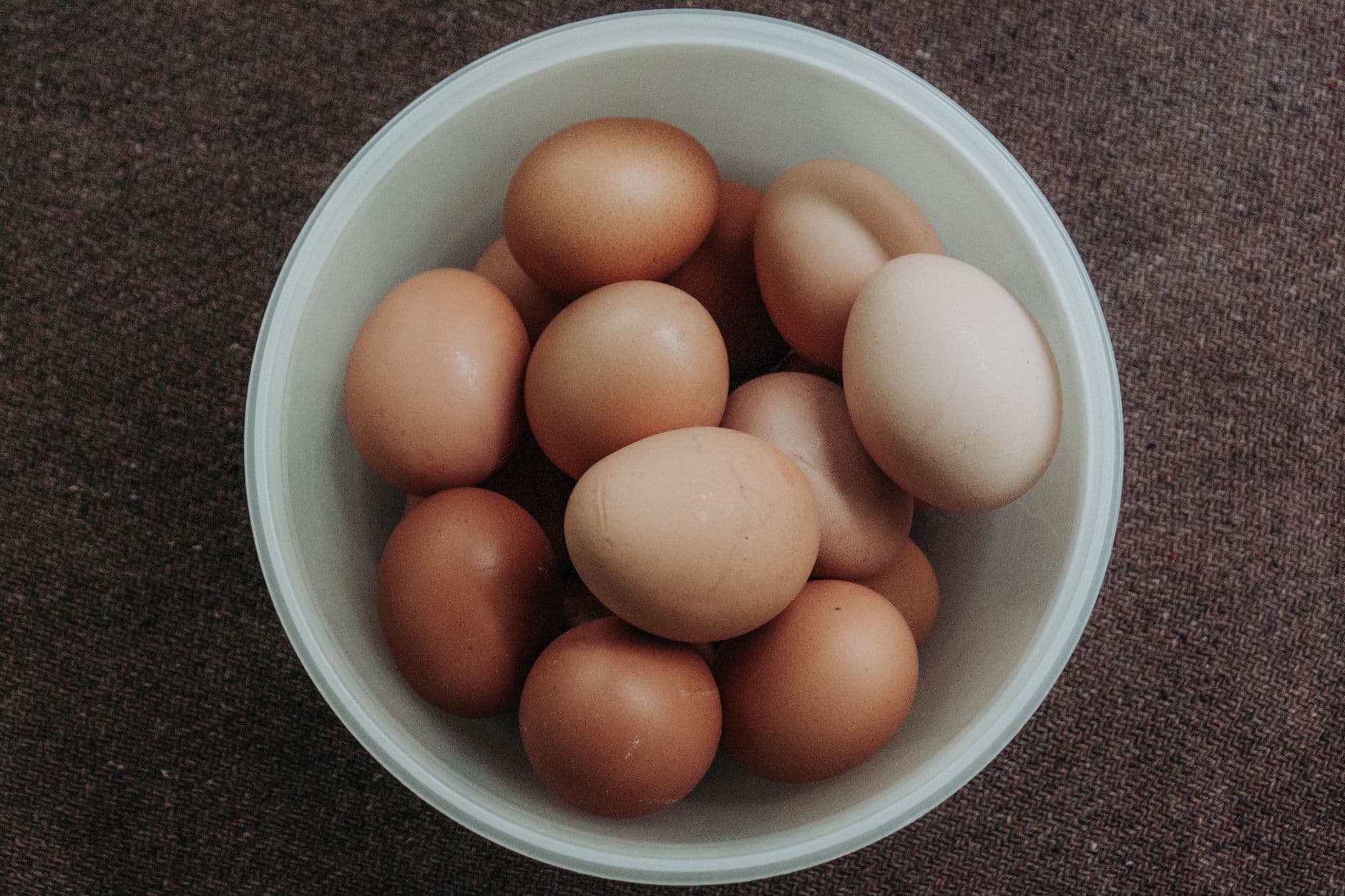
Mayonnaise in pregnancy is completely safe when bought in sealed commercial jars from a supermarket, because it is made with pasteurised eggs free of bacteria. By contrast, according to the UK National Health Service (NHS), you should avoid mayonnaise made at home or in restaurants with unpasteurised raw eggs, as it can carry Salmonella bacteria that cause food poisoning.
Pasteurisation is a process that heats the egg to a specific temperature to kill harmful bacteria without cooking it or changing its texture. When you read 'pasteurised egg' on the ingredient label, it means the product has been heat-treated and is safe for you and your baby.
Salmonella is a bacterium that can live inside raw eggs or on their shells even when the egg looks clean and intact. According to the NHS, Salmonella is unlikely to harm your unborn baby directly, but it can give you severe food poisoning with vomiting, diarrhoea, and exhaustion.
In markets across Egypt and the Gulf, major commercial mayonnaise brands use pasteurised eggs and an acidic base that stops bacteria from multiplying. The real risk appears when raw egg yolks are whisked at home with oil and lemon, or when eating fresh sauces at restaurants that do not use pasteurised eggs.
| Type of mayonnaise or sauce | Safety in pregnancy | Medical reason |
|---|---|---|
| Store-bought jarred commercial mayonnaise | Safe | Made from pasteurised eggs with food acids that prevent bacterial growth |
| Homemade mayonnaise with regular raw eggs | Unsafe | Unpasteurised raw eggs can carry Salmonella bacteria |
| Egg-free vegan mayonnaise | Safe | Contains no egg at all, removing egg-related Salmonella risk |
| Restaurant garlic toum or fresh Caesar dressing made with egg | Avoid unless confirmed pasteurised | Often prepared with unpasteurised raw egg white or yolk in the restaurant kitchen |
| Pre-made mayo salads left outside the fridge | Unsafe | Bacteria such as Listeria can multiply when refrigeration is poor |
Source: NHS
Mayonnaise in pregnancy during the first trimester: months one, two, and three
Mayonnaise in the first trimester follows the exact same medical rule: pasteurised commercial mayo is safe, and raw-egg mayo is off-limits. During months one, two, and three, your body reacts strongly to stomach infections, and food poisoning can worsen morning sickness and vomiting.
If you are asking about mayonnaise in month one or month two, know that the risk does not come from the oil or vinegar, but from possible contamination in raw eggs. According to the NHS, if you have already eaten a small amount of a food to avoid, it is unlikely to affect your baby as long as you did not become ill.
In month three, many mothers notice that rich sauces can trigger nausea or early heartburn. If your stomach feels sensitive during these weeks, keep portions small or swap mayo for pasteurised yoghurt mixed with lemon juice.
Source: NHS
Mayonnaise in pregnancy during months four, five, and six
Mayonnaise in months four, five, and six remains safe as long as you stick to pasteurised commercial jars kept refrigerated. In the second trimester, nausea usually settles and your appetite returns, making it important to watch where restaurant sauces come from.
When eating mayonnaise in month five or month six, pay close attention to cold mayo salads such as coleslaw, potato salad, or tuna mayo. According to the NHS, pre-packaged sandwiches and salads containing egg and mayo require caution because they may carry Listeria bacteria if not kept properly chilled.
Listeria is a bacterium that can grow in ready-to-eat foods and causes an infection called listeriosis. According to the NHS, listeriosis can cause miscarriage, stillbirth, or make a newborn baby seriously unwell, so prepare your salads at home with pasteurised mayo and eat them fresh.
Source: NHS
Mayonnaise in pregnancy during months seven, eight, and nine
Mayonnaise in months seven, eight, and nine poses no bacterial risk when pasteurised, but eating large amounts can worsen late-pregnancy heartburn. In the third trimester, your growing uterus presses on your stomach, and the high fat content in mayonnaise slows digestion and increases acid reflux.
If you are wondering about mayonnaise in month eight or month nine, keep portions moderate because mayo is mostly oil and adds calories without substantial nutrients. Avoid heavy mayo-rich meals right before bed so you can sleep more comfortably.
As your due date approaches, avoiding food poisoning remains important so you do not face dehydration or exhaustion when your body needs its strength. Keep checking the use-by date and refrigerate the jar as soon as it is opened.
Source: NHS
Mayonnaise in pregnancy: rules for buying and storing safely at home and dining out
Choosing safe mayonnaise starts with reading the food label on the jar before putting it in your basket. Even pasteurised commercial mayonnaise can spoil and grow bacteria if left out at room temperature or scooped with dirty utensils.
Follow these practical steps in your kitchen and when ordering food out to stay safe:
- Read the ingredient list on the jar and confirm it states 'pasteurised egg' or 'pasteurised egg yolk'.
- Store the mayonnaise jar in the fridge immediately after opening, and never leave sandwiches or salads made with it unchilled.
- Use a clean, dry spoon every time you scoop from the jar to prevent cross-contamination from other foods.
- Check the use-by date printed on the lid, and throw the jar away if it smells off or the oil separates.
- Ask restaurant staff before ordering Caesar dressing, hollandaise, or garlic sauce whether it is made fresh with raw egg or comes pasteurised.
- If you want to make mayonnaise at home, use an egg-free recipe based on pasteurised milk or pasteurised yoghurt instead of raw egg.
Source: NHS
What's common
- Read the ingredient list on the jar and confirm it states 'pasteurised egg' or 'pasteurised egg yolk'.
- Store the mayonnaise jar in the fridge immediately after opening, and never leave sandwiches or salads made with it unchilled.
- Use a clean, dry spoon every time you scoop from the jar to prevent cross-contamination from other foods.
- Check the use-by date printed on the lid, and throw the jar away if it smells off or the oil separates.
- Ask restaurant staff before ordering Caesar dressing, hollandaise, or garlic sauce whether it is made fresh with raw egg or comes pasteurised.
- If you want to make mayonnaise at home, use an egg-free recipe based on pasteurised milk or pasteurised yoghurt instead of raw egg.
When to call a doctor now
Contact your doctor or seek urgent medical care if you have eaten unpasteurised mayonnaise or takeaway food and develop any of these food poisoning symptoms:
- High temperature or fever accompanied by chills and muscle aches.
- Persistent vomiting that stops you from keeping fluids and water down.
- Severe or frequent diarrhoea, or blood in your stool.
- Signs of dehydration such as dizziness, a very dry mouth, or passing little dark-coloured urine.
- Abdominal cramps, uterine contractions, or a noticeable change in your baby's usual movements.
Unsure about another food on your plate? Ask Nawal or save the question for your doctor
Instead of searching dozens of pages before every meal, open the Nawah app and ask Nawal, our Arabic assistant, about any food on your mind, or log your symptoms and appointment notes for your next clinic visit. Written by the Nawah team without clinical review.
Get NawahCommon questions
Is mayonnaise safe for pregnant women in every month?
Yes, commercial mayonnaise made with pasteurised eggs is safe throughout all nine months of pregnancy. The key requirement is checking for 'pasteurised' on the label, keeping the jar refrigerated after opening, and avoiding homemade mayo made with raw eggs.
What is the medical guidance on mayonnaise in the first trimester?
You can safely eat pasteurised commercial mayonnaise in the first trimester without worrying about your baby. Simply avoid mayonnaise made with raw eggs at home or in restaurants to prevent Salmonella infection, which causes vomiting and dehydration.
Why do stories about mayonnaise in pregnancy differ across forums like Alam Hawa?
Forum discussions often mix up jarred store-bought mayonnaise with homemade recipes. Mothers who ate pasteurised commercial mayo had no issues, whereas medical warnings specifically target mayonnaise made with unpasteurised raw eggs.
Does mayonnaise in the fourth or fifth month affect the baby?
Pasteurised mayonnaise does not harm your baby's development in the fourth or fifth month. Just avoid pre-made mayo salads that have been sitting on deli counters, as they can carry Listeria bacteria.
Does mayonnaise in the sixth or seventh month cause weight gain?
Mayonnaise is dense in vegetable oil and calories, so eating large amounts daily can contribute to excess weight gain or heartburn. Stick to a small spoonful for flavour or choose light pasteurised versions.
Does mayonnaise in the eighth or ninth month raise blood pressure?
Mayonnaise does not directly cause high blood pressure, though it contains sodium and fat. If your doctor has advised you to cut back on salt in late pregnancy, check the sodium line on the nutrition label and keep portions small.
I ate mayonnaise at a restaurant and am not sure how it was made. What should I do?
Do not panic, as most restaurants use standard pasteurised commercial mayonnaise. According to the NHS, even if you ate a small amount of a food to avoid, it is unlikely to affect your baby if you do not feel unwell; simply stay hydrated and watch how you feel.
Sources
- Foods to avoid in pregnancy - NHSNHS · retrieved 2026-10-27
This guide is general information, not medical advice. It does not replace a doctor, and it knows nothing about your particular pregnancy. If something feels wrong, contact your doctor instead of waiting for the next scheduled visit.