
Safe in pregnancy? · Foods
Pineapple in pregnancy: is pineapple safe during all months of pregnancy?
Your direct, medically sourced answer on the safety of eating fresh or canned pineapple and drinking its juice throughout pregnancy, from the first month to the ninth.
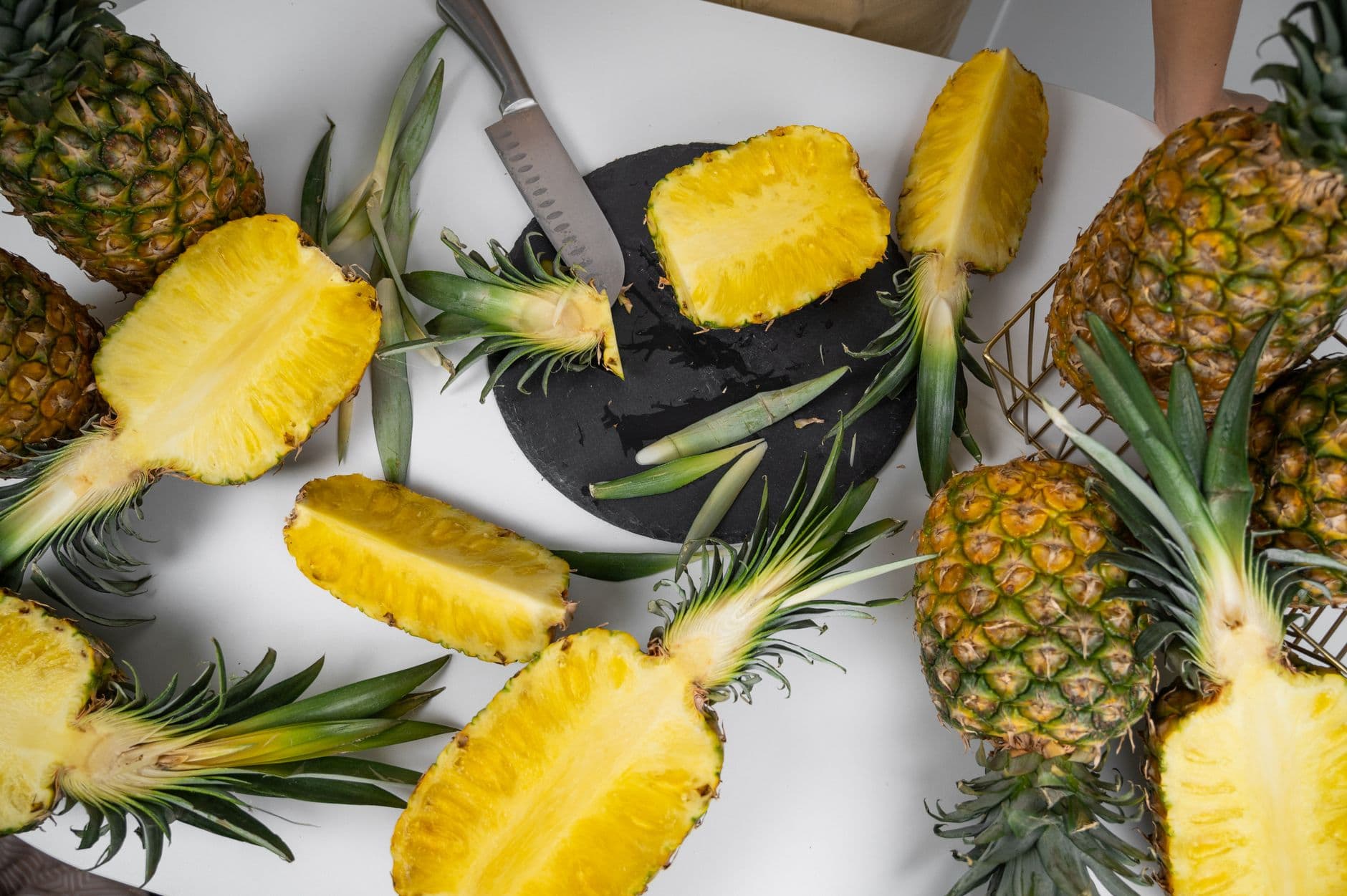
Pineapple in pregnancy between medical safety and common myths
Pineapple in pregnancy is a safe and healthy fruit when eaten in moderate food amounts throughout all stages of pregnancy. According to Healthline, there is no scientific evidence proving that eating pineapple causes early miscarriage or triggers premature labor. You can enjoy normal servings of fresh pineapple, canned pineapple, or pineapple juice without worrying about your baby's safety.
The common fear around pineapple comes from its content of bromelain, which is a natural enzyme that breaks down proteins in the body. According to Healthline, bromelain tablets are not recommended during pregnancy because they can lead to abnormal bleeding, but this warning applies to concentrated supplements rather than fresh fruit.
The bromelain enzyme is concentrated in the tough core and stem of the pineapple, while the soft flesh you eat contains very little of it. This tiny amount found in a normal daily serving breaks down in your stomach and does not affect your cervix or the stability of your pregnancy.
Source: Healthline
Pineapple in pregnancy in the first months and the truth about miscarriage risk
Pineapple in the first months of pregnancy does not cause miscarriage when eaten as part of your moderate diet. Many mothers hear folk warnings against tropical fruits as soon as a pregnancy test turns positive, yet these fears are purely anecdotal stories unsupported by medicine.
Whether you are looking into the safety of pineapple in the second month of pregnancy or pineapple in the third month of pregnancy, the medical ruling is the same across all first-trimester weeks. Well-washed, peeled pineapple gives your body natural fluids and important vitamins without causing uterine contractions.
According to the UK National Health Service (NHS), the fundamental rule for fruit safety in early pregnancy is washing all fruit thoroughly under running water before cutting. Washing the outer skin before peeling removes clinging soil or bacteria, preventing the transfer of toxoplasmosis, a tiny parasite found in soil that can harm the baby if transferred to food.
Source: Healthline · NHS
Pineapple in pregnancy from the fourth month through the eighth month
Eating pineapple in the fourth month of pregnancy marks the start of a comfortable phase where you can benefit from the fruit's nutrients as morning sickness fades. As you enter the second trimester, your body's need for vitamins and minerals grows to support your baby's developing bones and vital tissues.
According to Healthline, the recommended daily intake of fruits and vegetables rises in the second and third trimesters to 5 cups a day, and may reach up to 6.5 cups depending on your height, weight, and activity level. Including pineapple in the sixth month of pregnancy among your snacks helps you meet this daily serving in a delicious, hydrating way.
When you reach pineapple in the eighth month of pregnancy, the growing uterus presses against your stomach, making heartburn more frequent after meals. Pineapple contains natural acids that may increase acid reflux, which is the backward flow of stomach acid into the esophagus causing a burning sensation in the chest. In these later weeks, eat small pieces after a balanced meal and avoid eating pineapple on an empty stomach or right before sleep.
Source: Healthline
Pineapple in the ninth month of pregnancy and its relation to inducing labor
Eating pineapple in the ninth month of pregnancy does not start contractions or speed up birth as commonly claimed in women's forums and mothers' stories. Advice circulates among pregnant women to eat a whole pineapple upon reaching week 37 to ripen the cervix, but Healthline confirms there is a lack of scientific evidence proving pineapple can induce labor.
If you are wondering what the benefit of pineapple is in the ninth month of pregnancy, the answer lies in hydrating your body and giving you light energy and vitamin C before birth, not in rushing contractions. Overeating large amounts of pineapple hoping for a quick delivery will not bring your baby any sooner, and may instead give you an upset stomach and uncomfortable heartburn right before labor.
| Form of pineapple | Safety in pregnancy | Nutritional notes for you |
|---|---|---|
| Fresh pineapple flesh | Safe in all months | The best choice, rich in fiber and vitamin C with a very tiny amount of bromelain |
| Canned pineapple | Safe in moderation | Medically safe; choose fruit canned in its own juice to reduce added sugars |
| Pineapple juice or pineapple water | Safe if pasteurized or homemade | Hydrates the body, though lower in fiber and higher in sugar than whole fruit |
| Bromelain tablets and supplements | Unsafe; avoid in pregnancy | High enzyme concentration in pills can break down proteins and cause abnormal bleeding |
Source: Healthline
Benefits of pineapple in pregnancy and nutritional value in a single cup
The answer to what the benefits of pineapple in pregnancy are lies in its rich supply of vitamins and minerals needed for your baby's growth and your immune support. According to Healthline, a single cup of pineapple provides nearly 100% of a pregnant woman's recommended daily intake of vitamin C.
Alongside vitamin C, which boosts iron absorption from your food, pineapple contains a group of vital nutrients your body needs daily. According to Healthline, pineapple provides you with the following nutrients:
- Folate (folic acid): an essential nutrient that supports your baby's nervous system development and helps protect against neural tube defects such as spina bifida.
- Iron and copper: minerals that support red blood cell formation and help protect you against anemia during pregnancy.
- Magnesium and manganese: minerals that contribute to building your baby's bones and cartilage while supporting your own bone health.
- Vitamin B6 (pyridoxine): a vitamin that aids fetal brain and nervous system development and helps ease pregnancy nausea.
Source: Healthline
Is pineapple harmful in pregnancy when eaten in excess
Pineapple is not dangerous to your baby's life, so the answer to whether pineapple is harmful in pregnancy relates to uncomfortable digestive symptoms when eaten in large amounts. According to Healthline, eating excessive amounts of pineapple can cause heartburn or acid reflux, especially if you have a sensitive stomach during pregnancy.
Some women may also experience an allergic reaction to pineapple, and this likelihood increases if you are already allergic to pollen or latex. Allergy symptoms usually appear within minutes of eating the fruit and require stopping consumption immediately.
You should also watch the natural sugar content in the fruit, especially when drinking concentrated pineapple juice or eating slices canned in heavy syrup. If you have gestational diabetes, ask your doctor about the right portion size for you to avoid rapid spikes in blood sugar.
Source: Healthline
Pineapple water in pregnancy and safe ways to serve the fruit in your day
Pineapple water in pregnancy, which is water infused with fresh pineapple chunks or diluted pineapple juice, is a safe drink that helps keep you hydrated if you find plain water difficult to drink. This drink has no magical ability to dilate the cervix, but it gives you a refreshing flavor that reduces thirst and fatigue.
To add pineapple to your meal plan in a healthy, moderate way without triggering heartburn, Healthline and the NHS suggest following these steps and ideas:
- Wash the whole pineapple under running water before peeling and cutting it with a clean knife to prevent transferring any contaminants from the skin to the flesh.
- Add fresh pineapple cubes to a cup of pasteurized yogurt at breakfast to soothe your stomach and get calcium and protein together.
- Blend frozen pineapple chunks with pasteurized milk or water to make a cold smoothie that eases summer heat and nausea.
- Grill fresh pineapple slices for a warm, healthy dessert, or add them to stir-fries with vegetables and thoroughly cooked chicken.
- Discard the tough core in the center of the fruit if you have a sensitive stomach, and stick to eating the soft flesh in an amount of about one cup per day.
Source: Healthline · NHS
What's common
- Folate (folic acid): an essential nutrient that supports your baby's nervous system development and helps protect against neural tube defects such as spina bifida.
- Iron and copper: minerals that support red blood cell formation and help protect you against anemia during pregnancy.
- Magnesium and manganese: minerals that contribute to building your baby's bones and cartilage while supporting your own bone health.
- Vitamin B6 (pyridoxine): a vitamin that aids fetal brain and nervous system development and helps ease pregnancy nausea.
- Wash the whole pineapple under running water before peeling and cutting it with a clean knife to prevent transferring any contaminants from the skin to the flesh.
- Add fresh pineapple cubes to a cup of pasteurized yogurt at breakfast to soothe your stomach and get calcium and protein together.
- Blend frozen pineapple chunks with pasteurized milk or water to make a cold smoothie that eases summer heat and nausea.
- Grill fresh pineapple slices for a warm, healthy dessert, or add them to stir-fries with vegetables and thoroughly cooked chicken.
- Discard the tough core in the center of the fruit if you have a sensitive stomach, and stick to eating the soft flesh in an amount of about one cup per day.
When to call a doctor now
Stop eating pineapple and contact your doctor immediately if you notice any of the following allergic or digestive symptoms after eating it (according to Healthline):
- Itching or swelling of the lips, tongue, or inside of the mouth within minutes of eating pineapple.
- Sudden skin rash, redness, or hives appearing on your body.
- Shortness of breath, asthma-like wheezing in the chest, or sudden nasal congestion and runny nose.
- Severe, persistent heartburn or stomach pain that does not settle after eating acidic fruits.
Keep your food answers and symptom logs in one place
If pineapple gives you heartburn or another food crosses your mind before a meal, open the Nawah app to ask Nawal, your assistant in Arabic and English, and log heartburn in your private symptom log to review at your next doctor appointment. (Note: The Nawah team prepared this article from medical sources; no clinician wrote or reviewed this page.)
Get NawahCommon questions
Does pineapple in pregnancy cause miscarriage in early pregnancy?
No, eating pineapple in normal food amounts does not cause miscarriage in early pregnancy. According to Healthline, the amount of bromelain enzyme found in the pineapple flesh we eat is very small and does not affect pregnancy stability or fetal safety.
What about pineapple in the first months of pregnancy with morning sickness?
Pineapple in the first months of pregnancy is a refreshing option that supplies your body with fluids and vitamin B6, which helps ease nausea. If your stomach is sensitive to acids in the morning, eat a few small pieces after a light meal rather than on an empty stomach.
Is pineapple in the fifth month and seventh month of pregnancy safe?
Yes, eating pineapple in the fifth month as well as the seventh month of pregnancy is completely safe and helps you reach the recommended 5 cups of fruits and vegetables daily in the second and third trimesters, according to Healthline. Pineapple in these months gives you vitamin C, which boosts iron absorption and supports your immunity.
What is the truth behind forum stories about pineapple in the ninth month of pregnancy to dilate the cervix?
Many forum stories link eating pineapple in the ninth month of pregnancy with going into labor, but these are coincidences unsupported by science. Healthline confirms there is no scientific evidence proving that eating pineapple softens the cervix or starts contractions.
How much pineapple can a pregnant woman eat per day?
A moderate serving is one cup of fresh pineapple chunks per day as part of a varied fruit intake. According to Healthline, this single cup provides nearly 100% of your daily vitamin C requirement without overwhelming your stomach with excess acid.
Are canned pineapple and pineapple juice safe during pregnancy?
Yes, Healthline confirms that you can safely enjoy normal servings of canned pineapple or pineapple juice during pregnancy. Simply choose pasteurized juice and pineapple canned in its own natural juice rather than heavy sugary syrup to avoid excess calories.
Sources
- Pineapple and Pregnancy: Is It Safe to Eat?Healthline · retrieved 2026-10-27
- Foods to avoid in pregnancyNHS · retrieved 2026-10-27
This guide is general information, not medical advice. It does not replace a doctor, and it knows nothing about your particular pregnancy. If something feels wrong, contact your doctor instead of waiting for the next scheduled visit.