
Father's Guide
Cleaning Your Newborn's Umbilical Cord: A Father's Practical Step-by-Step Guide Until It Falls Off
Taking over diaper changes and umbilical cord care in the first days gives your wife real time to rest and recover after birth, and these simple steps let you do it safely.
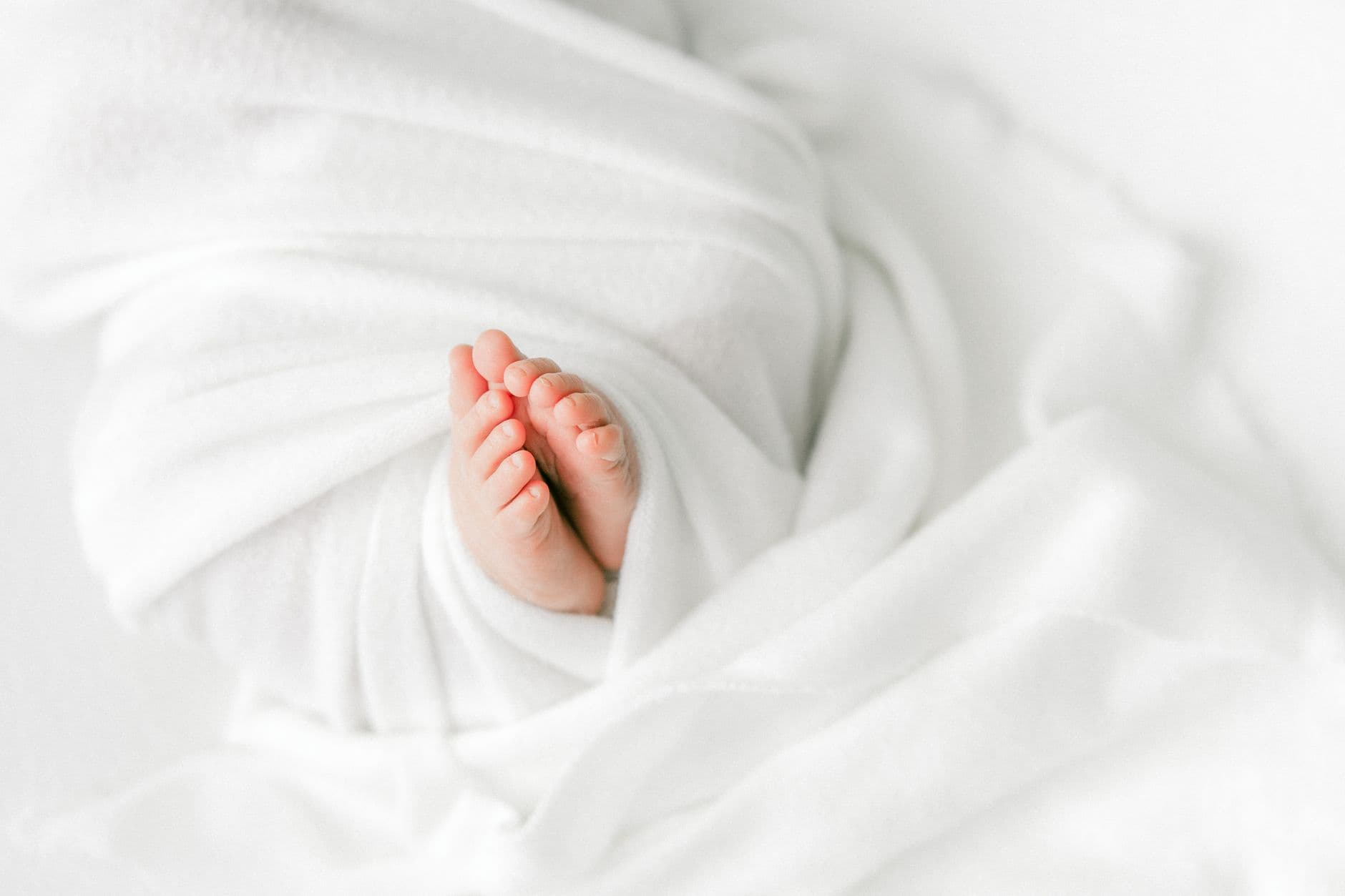
Cleaning the newborn's umbilical cord and dry care in the first days
Cleaning a newborn's umbilical cord in modern medicine relies on keeping the cord stump clean, completely dry, and exposed to air without using rubbing alcohol or topical products. According to the American Academy of Pediatrics (AAP), the umbilical cord stump dries out and falls off on its own between week 1 and week 3 of a baby's life. All you need to do during diaper changes is fold the top edge of the diaper down, and wipe away any accidental soiling with a cotton ball dampened with plain water before gently patting the area dry.
The umbilical stump is the small piece remaining after the umbilical cord is cut and secured with a plastic clip at birth. According to the UK National Health Service (NHS), the umbilical cord does not contain any nerves, so your baby will not feel any pain when you touch the clip or the surrounding area while changing their clothes.
Knowing this fact removes much of the hesitation during the first times you pick up your baby for a diaper change. You can practice holding and fastening the diaper calmly, as your steady hands directly soothe your newborn and give your wife peace of mind while she sleeps.
Source: American Academy of Pediatrics (HealthyChildren.org) · American Academy of Pediatrics (HealthyChildren.org) · NHS
Should the newborn's umbilical cord be cleaned with alcohol or plain water
According to the American Academy of Pediatrics (AAP), rubbing alcohol or other germ-killing antiseptics are not advised for routine cord care because dry cords fall off sooner. Leaving the cord to dry naturally in the air is the current standard practice unless your pediatrician specifically instructs otherwise.
According to the UK National Health Service (NHS), there is no need to use wet wipes or put powders or creams on the cord; cleaning around the stump with tap water only and drying it is sufficient. When you set up the diaper-changing station at home, remove alcohol bottles and powders from the basket, and replace them with clean cotton balls and a soft cotton towel.
As the umbilical stump dries, it gradually changes color from shiny yellow to brown or gray before separating. The table below outlines the difference between safe practices and outdated habits you should avoid when caring for your baby:
| Daily Situation | Correct Action for the Father | Action to Avoid |
|---|---|---|
| Daily cord care | Leave the cord dry and exposed to air without products | Applying rubbing alcohol, powder, or creams |
| Putting on the diaper | Fold the front edge of the diaper down below the cord | Covering the plastic clip with the diaper and pressing on it |
| Bathing before the cord falls off | Sponge bath with a damp cloth and warm water without submerging the cord | Submerging the newborn in a tub of water |
| Separation of the cord stump | Wait for it to fall off entirely on its own | Pulling or twisting the stump even if hanging by a thread |
Source: American Academy of Pediatrics (HealthyChildren.org) · American Academy of Pediatrics (HealthyChildren.org) · NHS
How to clean the newborn's umbilical cord step by step
A newborn's umbilical cord is cleaned only when soiled, using a cotton swab dampened with clean water to gently wipe the base before drying it completely. According to the American Academy of Pediatrics (AAP), checking the skin around the base of the cord 1 time a day is enough to ensure it remains clean and dry.
In the first days after returning from the hospital, moving and bending over are painful for your wife whether she had a vaginal or cesarean birth. Stepping in to change the diaper and check the cord each time the baby wakes up day or night spares her significant physical strain.
Follow these ordered steps whenever you change your baby's diaper and notice dried secretions or soiling around the cord:
- Wash your hands thoroughly with soap and water before touching your baby or unfastening the soiled diaper.
- Unfasten the diaper calmly, and if stool has reached the cord area, dampen a clean cotton ball with warm water and a little mild baby soap.
- Gently press down on the skin surrounding the base of the cord so you can see the base and wipe away any secretions trapped underneath the clip.
- Pat the area gently with a clean, dry cotton cloth until all moisture is gone, and never rub the skin.
- Put on the fresh diaper with the front edge folded down below the cord, or cut a small notch at the top of a disposable diaper so the clip stays exposed to air.
Source: American Academy of Pediatrics (HealthyChildren.org) · American Academy of Pediatrics (HealthyChildren.org)
Cleaning the newborn's umbilical cord before it falls off and rules for bathing and clothes
Cleaning a newborn's umbilical cord before it falls off requires sticking to sponge baths and avoiding submerging the baby in a bath tub until the stump separates completely. According to the UK National Health Service (NHS), the cord dries and falls off on average between day 5 and day 12 after birth, and keeping bath water away during this period prevents delayed drying.
You can take charge of giving your baby a warm sponge bath in a warm, draft-free room. Prepare a small bowl of warm water, a soft towel, cotton wool, and a fresh diaper before undressing your baby, then wipe their face, neck, hands, and diaper area with separate cotton pads while keeping their tummy covered with a warm towel.
When choosing your baby's daily clothes, dress them in loose cotton outfits that do not press against their tummy. Avoid pants with tight elastic waistbands that sit directly over the plastic clip, as pressure from clothing or diapers can push the clip into the abdomen and make the baby uncomfortable.
Source: American Academy of Pediatrics (HealthyChildren.org) · NHS
Can the newborn's umbilical cord be cleaned if soiled with urine or stool
Yes, a newborn's umbilical cord can and should be cleaned right away with water and mild soap if urine or stool reaches it during a diaper leak. According to the American Academy of Pediatrics (AAP), getting some poop on the cord is not dangerous, and gently washing the area with soap and water prevents infection.
Diaper leaks happen frequently in the first weeks, especially at night, and are no reason to panic. Instead of waking your wife, grab cotton balls dampened with warm water and wipe the cord gently from the base outward until all residue is removed.
After washing, take your time drying the cord and surrounding skin by patting with a dry cotton towel, and let the area air out for a couple of minutes in the warm room before fastening the new diaper. This quick drying restores dry cord care and lets natural healing continue smoothly.
Source: American Academy of Pediatrics (HealthyChildren.org)
Cleaning the newborn's umbilical cord after it falls off and handling drops of blood
Cleaning the newborn's umbilical area after the stump falls off continues with the same dry care approach by wiping away any secretions with a water-dampened cotton swab and drying it 2 times a day until fully healed. According to the American Academy of Pediatrics (AAP), it is completely normal to notice a few drops of blood on the diaper or a small amount of cloudy fluid where the stump separated.
The center of the navel may look slightly red right at the point of separation, and a small scab may form just like a normal skin scrape. Leave this scab to fall off on its own, and do not apply rubbing alcohol as it can irritate the fresh skin and slow tissue healing.
According to the American Academy of Pediatrics (AAP), it is best to continue sponge baths for a few more days after the cord falls off until the belly button dries completely before starting tub baths. If you notice a small moist pink or reddish lump draining light-yellowish fluid after the cord falls off, it may be an umbilical granuloma, a minor scar tissue overgrowth that usually resolves in about 1 week or is easily treated by the pediatrician.
Source: American Academy of Pediatrics (HealthyChildren.org) · American Academy of Pediatrics (HealthyChildren.org) · NHS
What's common
- Wash your hands thoroughly with soap and water before touching your baby or unfastening the soiled diaper.
- Unfasten the diaper calmly, and if stool has reached the cord area, dampen a clean cotton ball with warm water and a little mild baby soap.
- Gently press down on the skin surrounding the base of the cord so you can see the base and wipe away any secretions trapped underneath the clip.
- Pat the area gently with a clean, dry cotton cloth until all moisture is gone, and never rub the skin.
- Put on the fresh diaper with the front edge folded down below the cord, or cut a small notch at the top of a disposable diaper so the clip stays exposed to air.
When to call a doctor now
Most umbilical stumps heal without complications, but according to the American Academy of Pediatrics (AAP) and the UK National Health Service (NHS), you must seek medical care immediately if you notice any of the following signs during a diaper change:
- Foul-smelling yellowish pus or discharge coming from the cord or its base.
- Redness, warmth, or swelling of the skin spreading outward from the base of the cord onto the baby's abdomen.
- Active bleeding that does not stop after 10 minutes of direct pressure with a clean cloth, or a blood spot larger than 5 cm across.
- The baby crying in pain whenever you touch the cord or the skin next to it, accompanied by fever or lethargy.
- The umbilical cord stump remaining attached past 3 full weeks of age.
Be a present partner in every step with the Nawah app
Real partnership starts during the weeks of pregnancy before you ever change your baby's first diaper. In the Nawah app, partner mode gives you your own screen linked to your wife's pregnancy with an invite code, so you see the exact same pregnancy week and baby size she sees, and get a push notification each time she logs a kick-counting session.
Get NawahCommon questions
Does a newborn's umbilical cord need to be cleaned daily?
The umbilical cord does not need daily cleaning as long as it stays clean and dry. According to the American Academy of Pediatrics (AAP), checking the skin around the base of the cord 1 time a day is sufficient, wiping it with a water-dampened cotton swab only if secretions or soiling appear, then drying it thoroughly.
How is a newborn's umbilical cord cleaned before it falls off?
A newborn's umbilical cord is cleaned before it falls off using cotton wool dampened with clean tap water only when soiled, followed by patting dry with a clean cloth. According to the UK National Health Service (NHS), you should keep the stump outside the diaper area and avoid applying creams, powders, or wet wipes.
When does a newborn's umbilical cord fall off and how do I know it is ready?
According to the American Academy of Pediatrics (AAP), the umbilical cord falls off on average between day 10 and day 14 after birth, with a normal range of 7 to 21 days. Before dropping off, the stump shrivels and turns from shiny yellow to brown or dark gray until it detaches on its own.
How do I handle cleaning the newborn's belly button after the cord falls off?
After the cord falls off, continue wiping away any dried secretions with a wet cotton swab 2 times a day and drying gently while keeping the diaper folded down. According to the American Academy of Pediatrics (AAP), you should continue sponge baths for a few more days until the navel finishes drying before giving tub baths.
Can a newborn's umbilical cord be cleaned with rubbing alcohol to make it fall off faster?
No, rubbing alcohol does not speed up separation and can actually delay it. According to the American Academy of Pediatrics (AAP), parents should avoid putting alcohol on the cord because natural air drying helps the stump fall off sooner and prevents skin irritation.
What should I do if I notice the belly button bulging when the baby cries after the cord falls off?
A bulge at the belly button during crying is known as an umbilical hernia, caused by a small opening in the abdominal wall muscles. According to the American Academy of Pediatrics (AAP) and the UK National Health Service (NHS), most umbilical hernias heal on their own, and you must never tape a coin or bandage over the navel as it does not help and can cause a skin rash.
Sources
- Umbilical Cord Care in NewbornsAmerican Academy of Pediatrics (HealthyChildren.org) · retrieved 2026-10-27
- Umbilical Cord Symptoms and Dry Cord CareAmerican Academy of Pediatrics (HealthyChildren.org) · retrieved 2026-10-27
- Washing and bathing your baby - NHSNHS · retrieved 2026-10-31
This guide is general information, not medical advice. It does not replace a doctor, and it knows nothing about your particular pregnancy. If something feels wrong, contact your doctor instead of waiting for the next scheduled visit.