
The father's guide
A safe place for your baby to sleep: what to set up before birth
This is a task, not a mood board. Four decisions, made once before she comes home from hospital, that measurably lower the risk of SIDS.
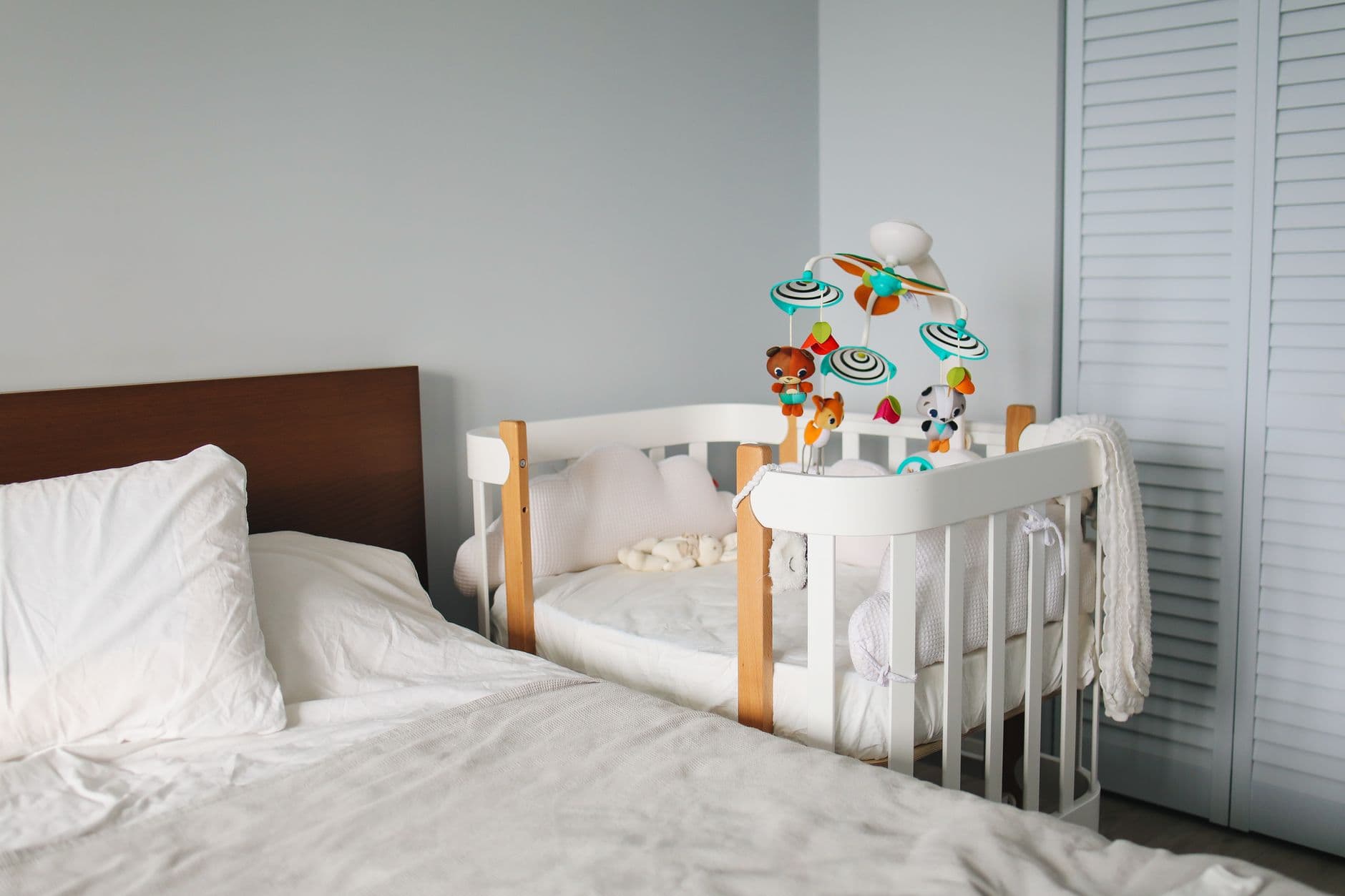
His own sleep space, in your room
The baby sleeps in his own cot or Moses basket, not in bed with either of you, but in the same room as you — for every sleep, day and night — for at least the first six months.
Source: NHS
The mattress and what stays out of the cot
Use a firm, flat mattress with a fitted sheet — nothing soft or raised. Then place him feet-to-foot: his feet at the bottom of the cot, so he can't wriggle down under the covers.
- No pillows or duvets.
- No cot bumpers.
- No loose blankets or soft toys.
Source: NHS
Room temperature
Keep the room between 16°C and 20°C, and dress him for that rather than piling on blankets. A baby who is too hot is a real, documented risk factor — not just a comfort question.
Source: NHS
Set this up before the due date, not after
Nawah's father mode gives you the week-by-week view of what's left to prepare, so the cot gets set up with the same attention as the hospital bag — before the night you actually need it.
Get Nawah freeCommon questions
Can he nap in the pram or car seat during the day?
For a short trip, yes — but a flat, firm cot in your room stays the recommended setup for his main sleeps. Don't let a car-seat nap become his default at home.
When can we move him to his own room?
The guidance covers at least the first six months in your room. There's no rush before that point, and no feature or gadget replaces the room-sharing rule itself.
Sources
- Reduce the risk of sudden infant death syndrome (SIDS)NHS · retrieved 2026-09-16
This guide is general information, not medical advice. It does not replace a doctor, and it knows nothing about your particular pregnancy. If something feels wrong, contact your doctor instead of waiting for the next scheduled visit.
← All of the father's guideThe mother's guide, month by month