
Mother's guide · Travel and mobility
Flying during pregnancy: medical rules and safe weeks to fly
A clear medical guide explaining which weeks are safe to fly during your pregnancy, what paperwork airlines ask for, and how to protect your health in the air.
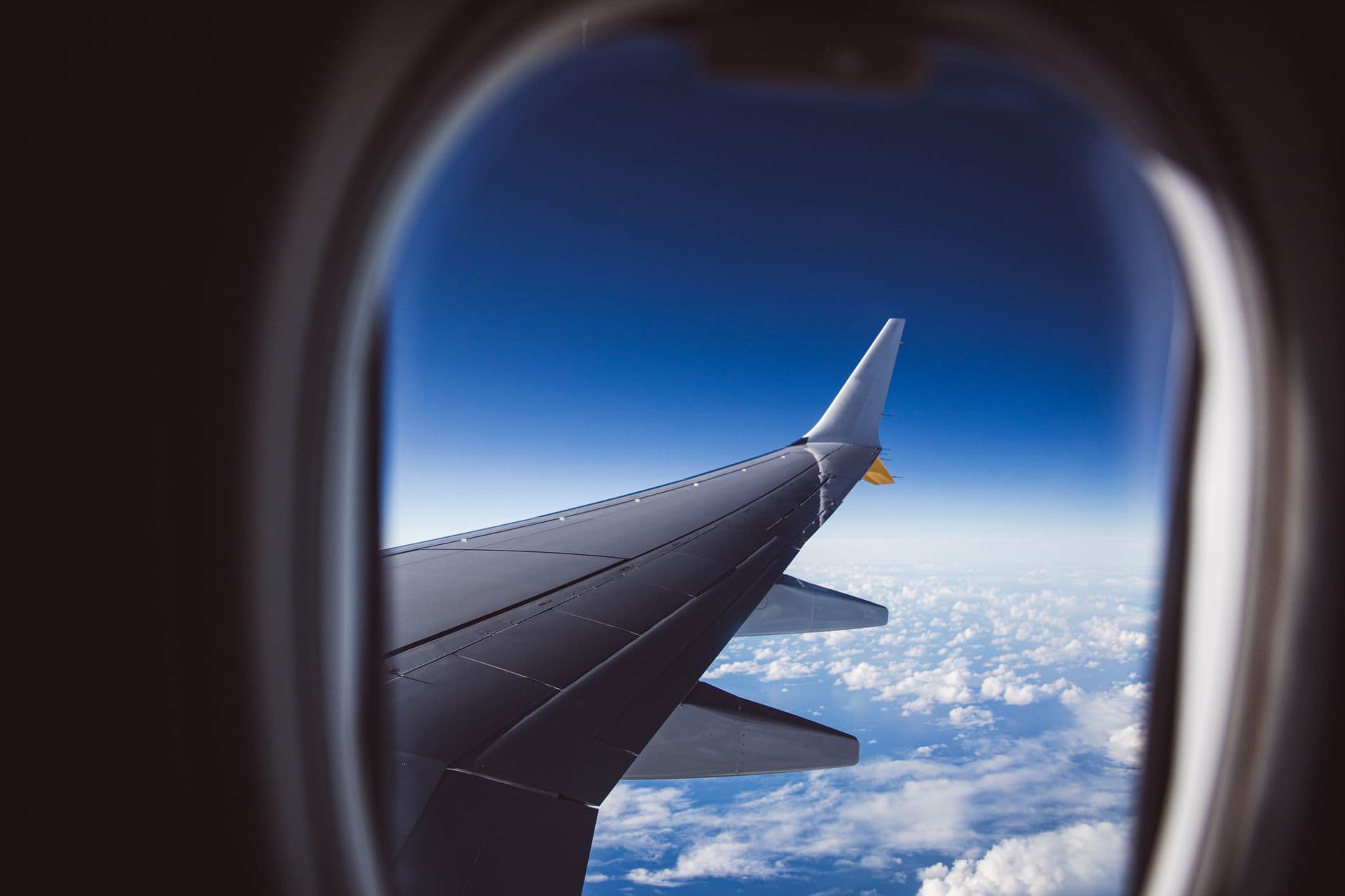
Rules for flying during pregnancy and safe weeks to travel
Flying during pregnancy is safe for you and your baby in most uncomplicated pregnancies. According to the UK National Health Service (NHS), air travel does not harm your baby, though airlines usually ask for a doctor's letter after week 28 and restrict flying after week 37 for a single baby or after week 32 for twins because the chance of labour rises.
Before booking your ticket, you should check with your doctor to make sure your pregnancy has no health issues that could be affected by the trip. Your doctor checks your blood pressure, haemoglobin level, and placenta position, then confirms whether air travel suits your condition.
Air travel rules change depending on your exact pregnancy week rather than rough months alone. The table below outlines the stages of pregnancy and standard airport policies so you can plan your trip with confidence.
| Pregnancy stage | Typical medical status | Airline requirements |
|---|---|---|
| Months 1 to 3 (weeks 1 to 12) | Medically safe without complications, though nausea and tiredness are higher | No medical letter needed in routine cases |
| Months 4 to 6 (weeks 13 to 27) | The most comfortable and settled period to fly | Travel is usually allowed without a medical letter until week 27 |
| Months 7 and 8 (weeks 28 to 36) | Safe with monitoring, though body heaviness and ankle swelling increase | Most airlines ask for a medical letter stating your due date |
| Month 9 (after week 37, or week 32 for twins) | The chance of going into labour rises significantly | Most airlines do not allow pregnant passengers to fly |
Source: NHS
Flying during pregnancy in the first, second, and third months
Flying in the first trimester does not increase the risk of miscarriage when your pregnancy is healthy. According to the NHS, some women prefer not to travel during the first 12 weeks because of tiredness and nausea, and because the risk of miscarriage is naturally higher in the first 3 months whether you travel or not.
When planning air travel in the first month or second month of pregnancy, cabin smells and plane motion may make morning sickness feel stronger. Choosing a seat over the wing reduces turbulence motion, and an aisle seat gives you quick access to the restroom.
By the third month of pregnancy, nausea gradually starts to settle for many women as week 12 approaches. To keep your first-trimester flight comfortable, follow these practical steps before boarding:
- Keep dry snacks like plain crackers or nuts in your carry-on bag to settle nausea when waking up or during take-off.
- Sip water regularly throughout the flight to counter dehydration caused by dry cabin air.
- Consult your doctor before flying if you have severe vomiting that keeps you from holding down fluids, or if you notice any vaginal bleeding.
- Wear loose, breathable cotton clothing that does not press on your waist or abdomen during long hours of sitting.
Source: NHS
Flying during pregnancy in the fourth, fifth, and sixth months
The second trimester, running from week 13 to the end of week 27, is the most comfortable window for air travel. According to the NHS, morning sickness usually fades by this stage and your energy returns before your bump grows heavier in late pregnancy.
Flying in the fourth or fifth month of pregnancy is therefore a practical choice if you want to take a quiet holiday or visit family. During these weeks, the chance of miscarriage is lower than in the first 3 months, and the risk of early labour remains low in a healthy pregnancy.
When flying in the sixth month of pregnancy, your bump is more visible, so fastening your seat belt properly on board matters. Place the lap strap low beneath your bump across your pelvis and upper thighs, never across the middle of your belly, to protect your baby during sudden turbulence.
Even during these comfortable months, keep a copy of your maternity notes and basic lab results in your hand luggage. Having these papers helps any doctor at your destination understand your medical history quickly if you need an unexpected check-up.
Source: NHS
Flying during pregnancy in the seventh, eighth, and ninth months
Strict airline and medical rules begin at week 28 of pregnancy, as you enter your seventh month. According to the NHS, after week 28 airlines may ask for a signed letter from your doctor or midwife confirming your due date and stating that you are not at risk of complications.
If you plan on flying in the seventh or eighth month of pregnancy, check the validity date required for your medical letter before heading to the airport. Most airlines ask that the letter be issued within a few days of departure, and it must cover your return flight date as well.
Flying in the ninth month of pregnancy is refused by most airlines to protect both you and your baby. According to the NHS, the chance of going into labour is naturally higher after week 37 in a single pregnancy, and around week 32 if you are carrying twins, which is why airlines stop boarding in late pregnancy.
Keep in mind that airport staff calculate your pregnancy stage using the exact weeks and days written on your medical certificate. Check your chosen airline's policy before buying a ticket, as some carriers set earlier cut-off weeks for long international flights.
Source: NHS
Medical reasons to avoid flying during pregnancy
You should postpone air travel if you have pregnancy complications that could worsen away from your regular hospital. According to the NHS, you must discuss any health issues or pregnancy complications with your doctor or midwife before you fly.
Certain conditions rule out flying because commercial aircraft do not carry neonatal intensive care equipment or emergency operating rooms. If sudden bleeding or early labour starts in mid-air, specialist medical care is not immediately available.
Check with your doctor before making travel plans if you have any of the following conditions:
- A history of premature birth, or signs of uterine contractions and cervical shortening in your current pregnancy.
- Vaginal bleeding at any point in pregnancy, or placenta praevia where the placenta covers the cervix.
- Severe anaemia, as low haemoglobin reduces the oxygen your blood carries to your baby at cabin altitude.
- Uncontrolled high blood pressure or signs of pre-eclampsia such as protein in the urine and sudden swelling.
- A current or previous blood clot in the legs or lungs, since sitting still on a plane adds extra risk.
Source: NHS
Preventing blood clots on long flights during pregnancy
Long-distance flights lasting longer than 4 hours carry a small risk of blood clots during pregnancy. According to the NHS, travel over 4 hours increases the chance of deep vein thrombosis (DVT), so you should drink plenty of water and move around every 30 minutes or so.
Deep vein thrombosis is a blood clot that forms inside a deep vein in the body, usually in the lower leg or thigh after sitting still for a long time. During pregnancy, your blood naturally clots more easily to protect you from bleeding at birth, making good circulation on a flight essential.
Alongside moving around and drinking fluids, the NHS notes that you can buy graduated compression or support stockings from a pharmacy to help reduce leg swelling. Follow these simple steps throughout your flight to keep your blood flowing well:
- Book an aisle seat so you can stand up and walk down the cabin aisle every 30 minutes easily.
- Flex your ankles up and down and rotate your feet in circles while seated to keep your calf muscles active.
- Put on properly fitted graduated compression stockings before take-off if your flight lasts longer than 4 hours.
- Drink water steadily and limit caffeinated drinks like coffee and tea, as they contribute to fluid loss.
Source: NHS
Airport preparation and required documents for pregnant travellers
Preparing your medical paperwork and travel insurance ahead of time protects you from administrative or financial surprises abroad. According to the NHS, you should make sure your travel insurance covers pregnancy and any pregnancy-related medical care or premature birth.
Many standard travel insurance policies exclude premature birth or neonatal care costs after a certain week of pregnancy. Read the policy wording carefully or call the insurer to confirm emergency coverage for both mother and baby at your destination.
Before departure day, pack your cabin bag with everything you need at the airport and on board without waiting for checked luggage:
- Keep the original stamped medical letter and a copy in an accessible pocket of your carry-on bag for the check-in desk, especially after week 28.
- Carry your daily prenatal vitamins and prescribed medicines in their original packaging with the prescription to avoid security delays.
- Save the address and phone number of the nearest hospital with a maternity emergency unit in the city you are visiting.
- Ask for help lifting heavy bags at the airport and use luggage carts to avoid straining your back and pelvis.
Source: NHS
What's common
- Keep dry snacks like plain crackers or nuts in your carry-on bag to settle nausea when waking up or during take-off.
- Sip water regularly throughout the flight to counter dehydration caused by dry cabin air.
- Consult your doctor before flying if you have severe vomiting that keeps you from holding down fluids, or if you notice any vaginal bleeding.
- Wear loose, breathable cotton clothing that does not press on your waist or abdomen during long hours of sitting.
- A history of premature birth, or signs of uterine contractions and cervical shortening in your current pregnancy.
- Vaginal bleeding at any point in pregnancy, or placenta praevia where the placenta covers the cervix.
- Severe anaemia, as low haemoglobin reduces the oxygen your blood carries to your baby at cabin altitude.
- Uncontrolled high blood pressure or signs of pre-eclampsia such as protein in the urine and sudden swelling.
- A current or previous blood clot in the legs or lungs, since sitting still on a plane adds extra risk.
- Book an aisle seat so you can stand up and walk down the cabin aisle every 30 minutes easily.
- Flex your ankles up and down and rotate your feet in circles while seated to keep your calf muscles active.
- Put on properly fitted graduated compression stockings before take-off if your flight lasts longer than 4 hours.
- Drink water steadily and limit caffeinated drinks like coffee and tea, as they contribute to fluid loss.
- Keep the original stamped medical letter and a copy in an accessible pocket of your carry-on bag for the check-in desk, especially after week 28.
- Carry your daily prenatal vitamins and prescribed medicines in their original packaging with the prescription to avoid security delays.
- Save the address and phone number of the nearest hospital with a maternity emergency unit in the city you are visiting.
- Ask for help lifting heavy bags at the airport and use luggage carts to avoid straining your back and pelvis.
When to call a doctor now
Seek urgent medical care at your destination or alert the cabin crew if you develop any of the following symptoms during or after your flight:
- Pain, swelling, redness, or warmth in one leg, especially in the calf, which can be a sign of a blood clot.
- Sudden shortness of breath, chest pain when breathing deeply, or an unexplained cough.
- Vaginal bleeding or a gush or trickle of watery fluid from the vagina suggesting your waters have broken.
- Regular painful contractions or severe continuous pain in your abdomen or lower back.
- A severe headache that does not go away, blurred vision, or sudden swelling of your face and hands.
- Noticing a reduction or pause in your baby's usual movements compared with previous days.
Know your exact pregnancy week before booking your flight
Because airlines apply travel rules and medical letter deadlines by exact weeks such as week 28 and week 37, the week-by-week pregnancy tracker with baby size in Nawah helps you see your exact week and share every milestone with your husband.
Get NawahCommon questions
Is flying during pregnancy safe?
Yes. According to the NHS, flying is not harmful to you or your baby in an uncomplicated pregnancy. Make sure you check with your doctor before travelling, drink plenty of water, and move around every 30 minutes on flights longer than 4 hours.
Does flying harm a pregnant woman in the first months?
According to the NHS, flying in the first 3 months does not increase the risk of miscarriage. However, some women prefer to postpone travel during the first 12 weeks because nausea and tiredness are stronger in early pregnancy.
When is a pregnant woman not allowed to fly?
According to the NHS, most airlines do not let you fly after week 37 in a single pregnancy, or after week 32 if you are carrying twins, because the chance of labour is higher. Doctors also advise against flying in any month if you have complications like placenta praevia, bleeding, or preterm labour risk.
Can a pregnant woman fly in the second month?
Yes, you can fly in the second month as long as your doctor confirms your pregnancy is stable with no bleeding or medical complications. Pack light savoury snacks and sip fluids to help ease morning sickness during the flight.
Can a pregnant woman fly in the fifth month?
The fifth month is one of the best times to fly because it falls in the second trimester, when nausea settles and your energy returns. Airlines usually do not require a medical letter in this month since you have not yet reached week 28.
What are the rules for flying in the seventh and eighth months of pregnancy?
According to the NHS, after week 28 of pregnancy airlines may ask for a letter from your doctor confirming your due date and that you are not at risk of complications. Obtain this letter a few days before your flight and keep it in your hand luggage.
Are airport security scanners safe during pregnancy?
Yes, walk-through metal detectors and passenger body scanners at airports are safe and do not use penetrating X-rays. X-ray machines are only used inside shielded baggage scanners for luggage and do not affect passengers.
Sources
- Travelling in pregnancy - NHSNHS · retrieved 2026-10-28
This guide is general information, not medical advice. It does not replace a doctor, and it knows nothing about your particular pregnancy. If something feels wrong, contact your doctor instead of waiting for the next scheduled visit.