
Mother's Guide · Digestive Health
Constipation in Pregnancy: Safe Home Remedies and Preventing Piles
Safe daily steps to ease bowel movements in every month of pregnancy, with a guide to safe laxatives and how to protect yourself from hemorrhoids.
Safe home remedies for constipation in pregnancy
Treating constipation in pregnancy relies primarily on adjusting your diet with more fiber, drinking plenty of water, and taking gentle daily walks, according to the UK National Health Service (NHS). Constipation is medically defined as having fewer than 3 bowel movements a week, or struggling to pass dry, hard stools. You can start with simple home habits that bring relief without needing medication in most cases.
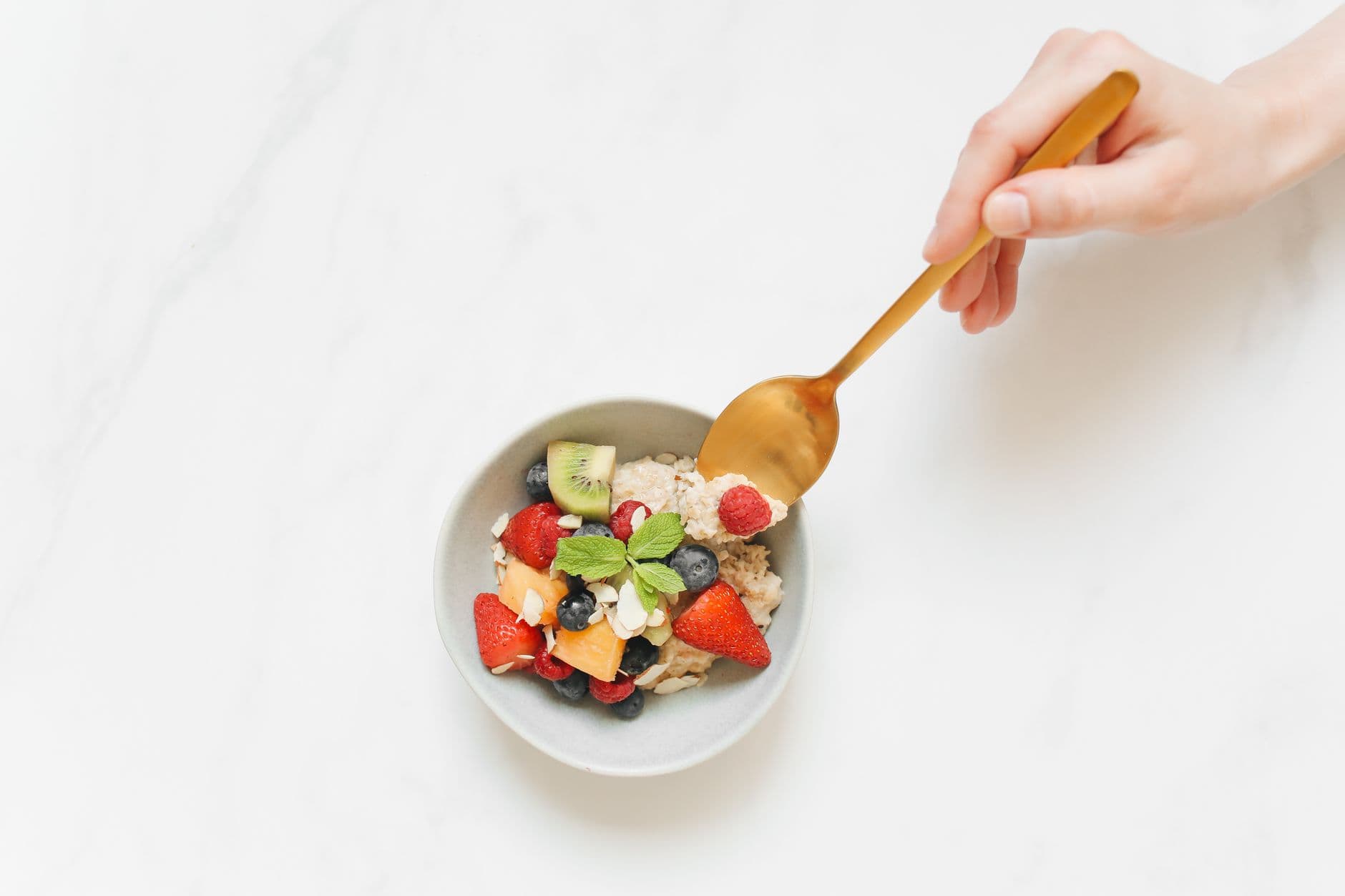
Your bowels need a balanced mix of dietary fiber to stimulate regular movement. According to the NHS, adding fiber gradually to your daily meals prevents excess gas and uncomfortable bloating. Make sure to drink a glass of water with every fiber-rich meal so waste moves smoothly through your colon.
Bathroom timing and sitting posture play a direct role in making bowel movements easier without straining your pelvis. Give yourself plenty of time in the morning or about half an hour after breakfast to take advantage of your bowel's natural reflex.
- Eat fiber-rich foods daily such as whole-wheat bread, oats, lentils, beans, leafy greens, and fresh or dried fruits like prunes and figs.
- Drink water regularly throughout the day until your urine is pale and clear, supplemented with warm soups and unsweetened natural fruit juices.
- Practice gentle physical activity such as walking daily or swimming with your doctor's approval to stimulate bowel motility.
- Rest your feet on a low footstool while sitting on the toilet to bring your knees closer to your abdomen and ease stool passage without straining.
- Respond immediately when you feel the urge to go, as holding stool in allows the rectum to absorb more water and makes it harder.
- Divide your food into 5 or 6 smaller meals spread across the day instead of 3 large meals to ease the load on your digestive tract.
Source: NHS
Causes of constipation in pregnancy and digestive changes
Constipation in pregnancy is caused by rising progesterone levels that slow down smooth muscle movement in the bowels, alongside pressure from the growing uterus and iron supplements, according to the NHS. Your body produces higher amounts of this hormone from the earliest weeks to support the pregnancy and relax uterine muscles. This hormonal relaxation extends to the digestive tract walls, causing food to move more slowly through the small and large intestines.
When digested food stays longer inside the colon, your body absorbs more water from the waste. This extra water absorption makes stools dry and compact, leaving you feeling heavy and uncomfortable when trying to pass them.
Other daily and medical factors combine to further slow your digestion across different stages of pregnancy. According to MedlinePlus, certain essential prenatal supplements and reduced daily movement increase the likelihood of constipation.
- Higher progesterone levels that relax intestinal muscles and slow down the wave-like contractions that move food.
- Taking iron tablets or prenatal multivitamins, as iron causes firmer stools and slower bowel transit for many pregnant women.
- Low fluid intake or repeated fluid loss caused by morning nausea and vomiting in the first months of pregnancy.
- Direct physical pressure from the growing uterus and baby on the large intestine and rectum, especially in the second and third trimesters.
- Reduced physical activity and prolonged sitting due to pregnancy fatigue or pelvic and lower back discomfort.
- Changes in appetite and relying on white starches and dry, low-fiber foods to settle stomach nausea.
Source: NHS · MedlinePlus
Treating constipation in the first and second trimesters
Treating constipation in the first and middle months focuses on replacing fluids lost to nausea, choosing soft fiber-rich foods, and reviewing your iron supplement with your doctor, according to the NHS. Constipation often starts in the first, second, or third month alongside rapid hormonal shifts and changing eating habits. If you experience morning sickness, drinking large glasses of water all at once can feel difficult.
You can overcome this in the early months by taking small sips of cold water or water infused with lemon or mint slices throughout the day. Choose fruits rich in water and soluble fiber such as pears, unpeeled apples, kiwi, and prunes because they are gentle on the stomach and soften stool naturally.
As you move into the fourth, fifth, and sixth months, nausea usually settles, but daily iron supplements begin affecting stool firmness. According to the NHS, you should not stop taking prescribed iron tablets on your own; instead, ask your doctor about adjusting the dose or switching to a gentler formulation.
- Eat 3 to 4 prunes or soak them in warm water and drink the liquid in the morning to gently stimulate your bowels.
- Gradually swap white baked goods for oats, whole-grain bread, and bulgur to avoid extra gas in the early months.
- Take your iron tablet with a glass of fresh orange juice or after a meal as advised by your doctor to aid absorption and reduce gut irritation.
- Add a teaspoon of chia seeds or ground flaxseeds to yogurt or oatmeal, followed immediately by a full glass of water.
- Consult your doctor in the fourth, fifth, or sixth month to check your hemoglobin level and choose an iron supplement less likely to cause severe constipation.
Source: NHS
Managing constipation in the eighth and ninth months
Managing constipation in the eighth and ninth months requires relieving uterine pressure on the rectum, eating small soft meals, and avoiding hard straining on the toilet, according to the NHS. In the seventh, eighth, and ninth months, the baby gains weight and presses directly against the lower bowel and pelvic floor. This mechanical weight slows waste movement even when you eat a balanced diet.
In the final weeks, blood vessels around the anal area become much more sensitive due to increased blood volume and constant pelvic pressure. Your main goal when treating constipation in the ninth month is keeping stools completely soft before labor so you prevent hemorrhoids from forming or worsening during pushing.
According to MedlinePlus, combining warm fluids with gentle daily movement helps reduce fullness and lower abdominal pressure. If dietary changes are no longer enough in the eighth or ninth month, ask your doctor for a pregnancy-safe laxative to prepare your bowels before birth.
- Start your day with a glass of warm water to trigger morning colon motility before eating breakfast.
- Rely on soft, easy-to-digest meals such as vegetable and lentil soup, oatmeal with warm milk, and yogurt with fruit.
- Avoid standing or sitting continuously for long periods, changing your position to reduce pelvic vein congestion.
- Lie on your left side when resting and sleeping to ease uterine pressure off major blood vessels and your bowels.
- Avoid sitting on the toilet for prolonged periods to minimize direct downward pressure on rectal veins in the eighth and ninth months.
Source: NHS · MedlinePlus
Safe medications and laxatives for constipation in pregnancy
Bulk-forming laxatives and osmotic laxatives such as lactulose and macrogol are safe medication options for treating constipation in pregnancy when home measures are not enough, under a doctor's guidance, according to the NHS. If you have tried extra fiber, water, and walking for several days without relief, there is no need to endure discomfort in silence.
According to the NHS, most of these prescribed laxatives are not absorbed by the digestive system, meaning they work locally inside the colon and do not affect your baby. Conversely, you must avoid unverified herbal laxatives or harsh oils that can trigger severe intestinal cramps or dehydration.
The table below compares different types of laxatives, how they work, and their safety profile during pregnancy; always consult your doctor or pharmacist before starting any medication.
| Laxative Type or Remedy | How It Works in the Bowel | Medical Guidance in Pregnancy |
|---|---|---|
| Bulk-forming laxatives (such as psyllium / ispaghula husk) | Absorb water in the gut to form bulkier, softer stool that is easier to pass | Safe first-line choice under medical advice; must be taken with plenty of water |
| Osmotic laxatives (such as lactulose and macrogol) | Draw and retain water inside the colon to soften hard stool without systemic absorption | Safe and widely prescribed in pregnancy; usually takes 2 to 3 days to work |
| Stool softeners (such as docusate sodium) | Allow water and fats to penetrate dry stool so it passes smoothly without straining | Safely used under medical guidance, especially when painful hemorrhoids or fissures are present |
| Stimulant laxatives (such as senna or bisacodyl) | Stimulate intestinal nerves and muscles to contract and push waste through quickly | Used only short-term under strict doctor's orders if other types fail, as they can cause cramping |
| Castor oil, mineral oil, and unverified herbal laxatives | Trigger harsh bowel and uterine contractions or block absorption of essential vitamins | Unsafe in pregnancy; castor oil can stimulate uterine contractions and premature labor |
Source: NHS · MedlinePlus
Preventing hemorrhoids with pregnancy constipation and soothing pain
Preventing hemorrhoids alongside pregnancy constipation comes down to keeping stools soft and avoiding straining on the toilet, as repeated pressure causes veins inside the rectum or around the anus to swell, according to the NHS. Hemorrhoids (piles) are swollen veins similar to varicose veins, occurring frequently in pregnancy due to uterine pressure and progesterone relaxing blood vessel walls.
According to the NHS, hemorrhoids can cause itching or aching around the anus, the feeling of a small lump, or bright red blood on the tissue after passing stool. Reassuringly, pregnancy-related hemorrhoids usually shrink and resolve gradually in the weeks after birth once pregnancy pressure is gone.
You can protect yourself from developing hemorrhoids or soothe flare-ups at home using gentle care steps that reduce venous congestion and keep the area clean without irritation.
- Clean the anal area with lukewarm water and gently pat dry instead of rubbing with dry toilet paper after each bowel movement.
- Sit in a plain warm water bath (without soap or scented salts) to soothe pain and itching.
- Apply a cold compress or clean cloth dampened with cold water to the swollen area for a few minutes to reduce swelling.
- Practice Kegel (pelvic floor) exercises daily to boost blood circulation in the rectal and vaginal area and reduce congestion.
- Ask your doctor or pharmacist for a pregnancy-safe topical ointment to calm inflammation, and never use over-the-counter creams without medical advice.
Source: NHS
What's common
- Eat fiber-rich foods daily such as whole-wheat bread, oats, lentils, beans, leafy greens, and fresh or dried fruits like prunes and figs.
- Drink water regularly throughout the day until your urine is pale and clear, supplemented with warm soups and unsweetened natural fruit juices.
- Practice gentle physical activity such as walking daily or swimming with your doctor's approval to stimulate bowel motility.
- Rest your feet on a low footstool while sitting on the toilet to bring your knees closer to your abdomen and ease stool passage without straining.
- Respond immediately when you feel the urge to go, as holding stool in allows the rectum to absorb more water and makes it harder.
- Divide your food into 5 or 6 smaller meals spread across the day instead of 3 large meals to ease the load on your digestive tract.
- Higher progesterone levels that relax intestinal muscles and slow down the wave-like contractions that move food.
- Taking iron tablets or prenatal multivitamins, as iron causes firmer stools and slower bowel transit for many pregnant women.
- Low fluid intake or repeated fluid loss caused by morning nausea and vomiting in the first months of pregnancy.
- Direct physical pressure from the growing uterus and baby on the large intestine and rectum, especially in the second and third trimesters.
- Reduced physical activity and prolonged sitting due to pregnancy fatigue or pelvic and lower back discomfort.
- Changes in appetite and relying on white starches and dry, low-fiber foods to settle stomach nausea.
- Eat 3 to 4 prunes or soak them in warm water and drink the liquid in the morning to gently stimulate your bowels.
- Gradually swap white baked goods for oats, whole-grain bread, and bulgur to avoid extra gas in the early months.
- Take your iron tablet with a glass of fresh orange juice or after a meal as advised by your doctor to aid absorption and reduce gut irritation.
- Add a teaspoon of chia seeds or ground flaxseeds to yogurt or oatmeal, followed immediately by a full glass of water.
- Consult your doctor in the fourth, fifth, or sixth month to check your hemoglobin level and choose an iron supplement less likely to cause severe constipation.
- Start your day with a glass of warm water to trigger morning colon motility before eating breakfast.
- Rely on soft, easy-to-digest meals such as vegetable and lentil soup, oatmeal with warm milk, and yogurt with fruit.
- Avoid standing or sitting continuously for long periods, changing your position to reduce pelvic vein congestion.
- Lie on your left side when resting and sleeping to ease uterine pressure off major blood vessels and your bowels.
- Avoid sitting on the toilet for prolonged periods to minimize direct downward pressure on rectal veins in the eighth and ninth months.
- Clean the anal area with lukewarm water and gently pat dry instead of rubbing with dry toilet paper after each bowel movement.
- Sit in a plain warm water bath (without soap or scented salts) to soothe pain and itching.
- Apply a cold compress or clean cloth dampened with cold water to the swollen area for a few minutes to reduce swelling.
- Practice Kegel (pelvic floor) exercises daily to boost blood circulation in the rectal and vaginal area and reduce congestion.
- Ask your doctor or pharmacist for a pregnancy-safe topical ointment to calm inflammation, and never use over-the-counter creams without medical advice.
When to call a doctor now
Contact your doctor promptly if constipation or hemorrhoids are accompanied by any of the following warning signs, according to the NHS and MedlinePlus:
- Blood mixed in your stool, continuous rectal bleeding, or black tarry stools not explained by iron supplements.
- Severe, sudden abdominal pain, regular uterine contractions, or inability to pass gas.
- Constipation lasting more than a full week without improvement despite increasing fluids and dietary fiber.
- Constipation accompanied by repeated vomiting, fever, or unexplained weight loss.
- Hemorrhoids becoming a hard, intensely painful lump or producing pus-like discharge.
Track your daily symptoms in complete privacy with Nawah
Use the symptom and mood log in the Nawah app to record episodes of constipation and bloating and see how your meals and iron supplements affect you week by week, keeping a private log on your phone ready for your next doctor's visit.
Get NawahCommon questions
Is constipation in pregnancy normal across all months?
Yes, constipation is one of the most common pregnancy symptoms across all trimesters, according to the NHS. It starts in the early months due to rising progesterone slowing digestion, and continues in later months from uterine pressure and iron supplements. Although common, it responds well to dietary adjustments and hydration.
Does constipation in pregnancy harm the baby or affect growth?
Constipation itself does not harm your baby or affect fetal growth or nutrient delivery inside the womb. Its impact is limited to your own discomfort from bloating, cramping, and the risk of hemorrhoids from straining. The only risk to the pregnancy comes from taking unsafe laxatives like castor oil without medical advice.
Does constipation cause lower abdominal pain and cramping in pregnancy?
Yes, trapped stool and gas inside the colon commonly cause fullness, aching, or cramping in the lower abdomen, especially on the left side, according to MedlinePlus. This discomfort usually eases after passing stool or gas. However, if the pain is constant or accompanied by vaginal bleeding, you should see your doctor immediately.
Can constipation cause lower back pain in pregnancy?
Yes, severe constipation can increase feelings of heaviness and dull aching in the lower back and pelvic area. This happens because a full rectum and colon press against surrounding nerves and tissues near the lower spine and pelvis. This discomfort gradually improves once stools soften and bowel movements become regular.
Does constipation in pregnancy cause uterine contractions?
Constipation causes intestinal cramps as the bowel tries to move waste and gas, which can sometimes feel similar to uterine tightening because of how close they are in the abdomen. Normal constipation does not cause premature labor, but extreme straining or harsh stimulant laxatives can irritate the uterus, so stick to gentle stool-softening methods.
Is constipation in pregnancy related to the baby's gender?
There is no scientific or medical link between experiencing constipation during pregnancy and whether you are having a boy or a girl. Constipation happens due to rising progesterone, uterine pressure, and iron supplements, which occur regardless of the baby's sex. The reliable way to know your baby's sex is an ultrasound scan with your doctor.
Is constipation in pregnancy dangerous and when should I see a doctor?
Constipation is not dangerous in most cases, but if left untreated for a long time it can lead to uncomfortable complications such as hemorrhoids, anal fissures, or fecal impaction, according to the NHS. See your doctor if constipation lasts longer than a week, or if you experience rectal bleeding, severe abdominal pain, or vomiting.
Sources
- Constipation - NHSNHS · retrieved 2026-10-28
- Piles in pregnancy - NHSNHS · retrieved 2026-10-28
- Constipation - MedlinePlusMedlinePlus · retrieved 2026-10-28
This guide is general information, not medical advice. It does not replace a doctor, and it knows nothing about your particular pregnancy. If something feels wrong, contact your doctor instead of waiting for the next scheduled visit.