
Safe in pregnancy? · Foods
Tuna during pregnancy: is tuna safe and how much can you eat?
A clear guide from the Nawah team explaining the safe weekly amount of canned and fresh tuna at every stage of your pregnancy based on official health authorities, without authorship or review by a clinician.
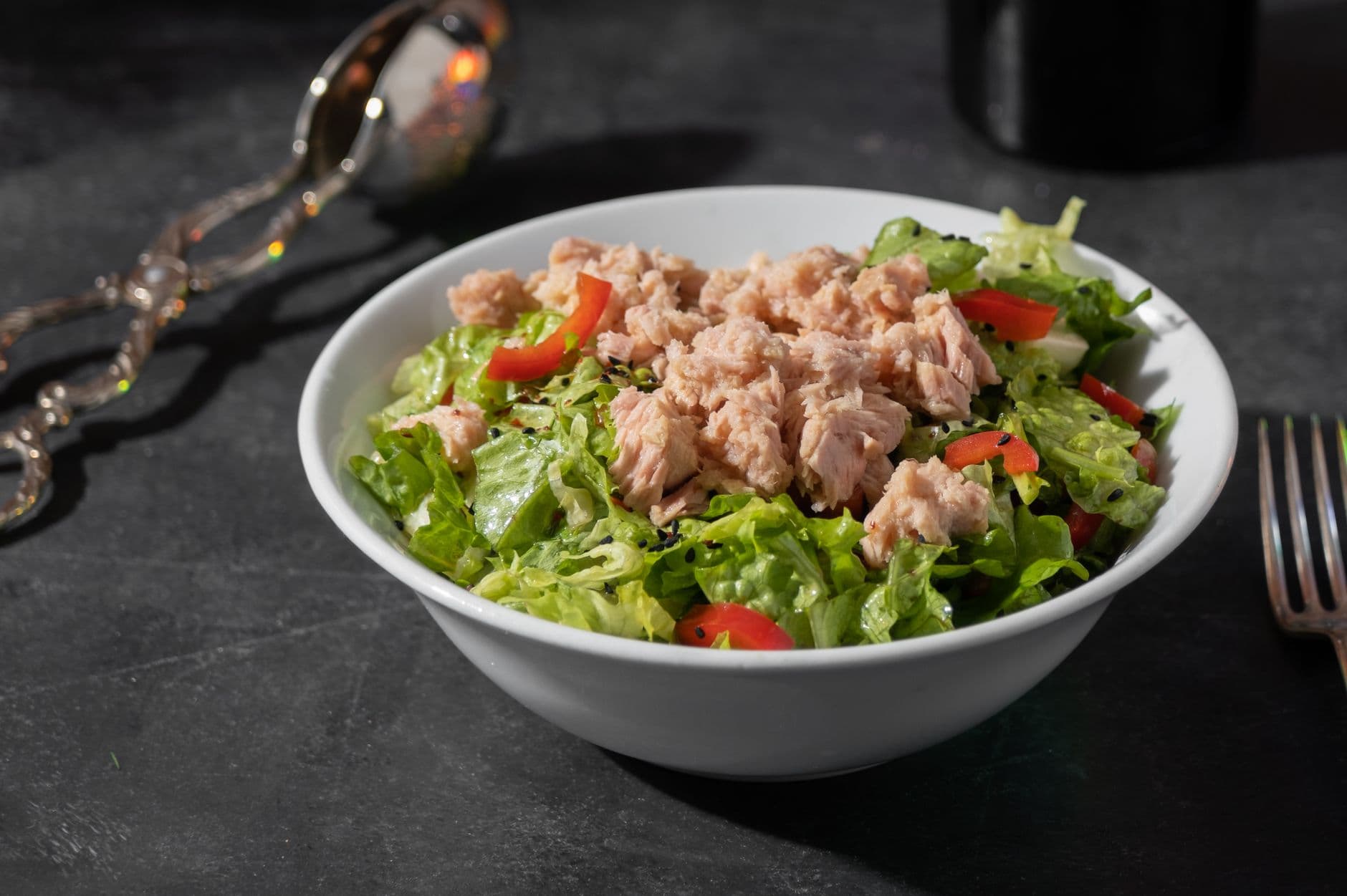
Tuna during pregnancy and the weekly safe limit
Tuna during pregnancy is safe when eaten cooked or canned within strict weekly limits of no more than 4 cans of tuna or 2 fresh tuna steaks a week, according to the UK National Health Service (NHS). This weekly limit gives your body protein and omega-3 fatty acids that support fetal brain development while protecting the baby's nervous system from mercury buildup. By contrast, raw tuna must be completely avoided throughout pregnancy, such as in uncooked sushi, to prevent foodborne infection.
The reason for limiting tuna during pregnancy is that it contains varying levels of mercury compared with smaller white fish. Methylmercury is a metallic compound found naturally in seawater that accumulates in the tissues of larger, longer-lived fish, and in high concentrations it can affect the developing nervous system of an unborn baby. Health authorities therefore set a clear weekly cap so you can get the nutritional benefits of fish without exceeding safe levels.
According to the US Food and Drug Administration (FDA), canned light tuna falls under low-mercury fish that a pregnant woman may eat up to 12 ounces of per week, equal to two average meals. White tuna, known as albacore, contains more mercury, so the FDA advises limiting your intake of albacore tuna to no more than 6 ounces per week, or one average meal.
The following core rules help you manage your weekly portion of tuna accurately and with peace of mind:
- The maximum limit for canned tuna is 4 medium cans per week according to the NHS.
- The maximum limit for cooked fresh or frozen tuna steaks is 2 steaks per week according to the NHS.
- Canned tuna does not count toward your oily fish limit under NHS guidance, whereas oily fish such as salmon, sardines, and mackerel are limited to 2 portions a week.
- Do not combine the full allowance of canned tuna and the full allowance of fresh tuna steaks in the same week to avoid raising your total mercury intake.
Types of tuna during pregnancy: canned, fresh steaks, and raw
The safety of tuna during pregnancy varies depending on the species of fish and how it is preserved and cooked before reaching your table. Canned light tuna is usually made from smaller tuna species such as skipjack, which spend less time in ocean waters and accumulate less mercury in their flesh than larger fish.
As for raw tuna used in certain sushi or sashimi dishes, the NHS advises avoiding it completely throughout pregnancy even if it has been previously frozen. The NHS also notes that you should be careful with pre-packaged sandwiches and salads containing fish, keeping them chilled and eating them before their use-by date to avoid listeria bacteria.
Listeriosis is a bacterial infection transmitted through poorly stored chilled foods or raw foods, and it can cause miscarriage, stillbirth, or severe illness in a newborn according to the NHS. The table below provides a direct comparison between different types of tuna and the permitted amount of each during pregnancy:
| Type of tuna | Safety in pregnancy | Weekly limit and source |
|---|---|---|
| Canned light tuna | Safe within limits | Up to 4 cans a week (NHS) or 12 ounces a week (FDA) |
| Canned white tuna (albacore) | Safe in smaller amounts | Up to 6 ounces, or 1 average meal a week (FDA) |
| Cooked fresh or frozen tuna steaks | Safe when thoroughly cooked | Up to 2 tuna steaks a week maximum (NHS) |
| Pre-packaged tuna sandwiches and salads | Requires caution and chilling | Keep chilled and eat before use-by date within weekly limit (NHS) |
| Raw tuna or raw sushi | Avoid throughout pregnancy | Zero, avoid completely (NHS) |
| Cold-smoked tuna | Unsafe unless cooked | Eat only if cooked until steaming hot (NHS) |
Tuna during pregnancy in the first months from month one to three
Tuna during pregnancy in the first months is safe and beneficial as long as you stay within the recommended weekly limit of 4 medium cans or 2 cooked steaks according to the NHS. During the first, second, and third months, the baby's neural tube and brain begin forming, making adherence to the weekly mercury cap essential for protecting early nerve cells.
Many women experience morning sickness and sensitivity to strong cooking smells in the first trimester. At this stage, canned tuna packed in water is a light, easy-to-digest option compared with fried fish or fish cooked in heavy sauces, as you can eat it cold after draining it well with a squeeze of lemon juice and washed vegetables.
According to the FDA, eating low-mercury fish during pregnancy provides your body with nutrients that support your baby's growth, including protein, iron, zinc, vitamin B12, vitamin D, iodine, selenium, and choline, which supports development of the baby's spinal cord. To eat tuna in the first months without worsening nausea, you can follow these practical tips:
- Choose light tuna packed in water rather than oil to reduce heaviness and calm your stomach when nauseous.
- Open the can in a well-ventilated area and drain the liquid immediately to lessen the fish aroma before eating.
- Avoid adding homemade mayonnaise made with raw egg to tuna salad, and use only commercial pasteurized mayonnaise in line with NHS egg safety guidance.
Tuna during pregnancy in the fourth, fifth, and sixth months
Tuna during pregnancy in the fourth, fifth, and sixth months remains safe at the exact same weekly portions of no more than 4 medium cans or 2 cooked fresh steaks a week according to the NHS. As the second trimester begins, morning sickness eases for most pregnant women and appetite gradually increases, making one or two tuna meals a week a practical way to meet your growing protein needs.
During the fourth, fifth, and sixth months, the growth of your baby's bones, muscles, and vital tissues accelerates. According to the FDA, fish as part of a balanced pregnancy diet helps supply iron and zinc that support the child's immune system, alongside iodine and vitamin D needed for bone and thyroid health.
When preparing your meal in mid-pregnancy, pay attention to the sodium content in canned tuna, especially if you notice early fluid retention in your hands or feet. Rinsing drained tuna under clean water for a few seconds helps lower the salt added during canning without affecting its protein or beneficial minerals.
During these months, you can vary your weekly fish sources rather than relying on tuna alone. If you eat two cans of light tuna in a given week, you can add one portion of cooked salmon or sardines in the same week, provided you do not exceed two portions of oily fish per week according to the NHS.
Tuna during pregnancy in the final months from month seven to nine
Eating tuna during pregnancy in the final months is permitted within the standard weekly limit of 4 medium cans or 2 cooked steaks per week according to the NHS. In the seventh, eighth, and ninth months, your baby's brain, nervous system, and retina go through rapid maturation that benefits from a steady supply of healthy fatty acids and micronutrients.
The FDA notes that eating fish during pregnancy and breastfeeding is backed by moderate scientific evidence supporting a child's cognitive development, while providing omega-3 and omega-6 fatty acids. There is therefore no medical reason to stop eating tuna in the seventh, eighth, or ninth month as long as you choose cooked or canned varieties and stick to the recommended amount.
As your uterus grows larger in the eighth and ninth months, heartburn, acid reflux, and quick fullness after meals become more common. To prevent stomach discomfort in the final months, divide your tuna portion into smaller light meals, and avoid spicy canned tuna with chili peppers or tuna packed in heavy oils that worsen nighttime heartburn.
In the third trimester, pregnant women also pay close attention to blood pressure readings and swelling in the extremities. If your doctor has advised you to cut back on salt during the ninth month, look for canned tuna labeled low-sodium or water-packed, and season it with fresh herbs and lemon instead of table salt and bottled dressings.
Steps for choosing and preparing tuna safely at home
Checking the tuna label and thoroughly cooking fresh steaks ensures you get the benefits of tuna during pregnancy while avoiding bacterial contaminants or exceeding your mercury limit. The NHS confirms that thoroughly cooked fish is safe to eat in pregnancy, whereas chilled ready-to-eat or smoked fish requires heating until steaming hot before eating.
When shopping for and preparing a tuna meal in your kitchen, follow these ordered steps to ensure food safety:
- Read the nutrition label on the can to confirm it is light tuna rather than white (albacore) tuna if you plan to eat more than one meal a week, per FDA classification.
- Inspect the metal can and expiration date before buying, and reject any can that is bulging, dented, or rusted around the lid.
- Wash the top lid of the can with water and dry it before using a can opener so dust on the lid does not transfer into the fish inside.
- When cooking fresh or frozen tuna steaks, cook them thoroughly all the way through until opaque in the center, and never eat seared rare tuna steaks, in line with NHS guidance against raw or undercooked fish.
- Transfer any leftover canned tuna immediately after opening into a clean, airtight glass or plastic container, store it in the refrigerator, and eat it within one to two days at most.
What's common
- The maximum limit for canned tuna is 4 medium cans per week according to the NHS.
- The maximum limit for cooked fresh or frozen tuna steaks is 2 steaks per week according to the NHS.
- Canned tuna does not count toward your oily fish limit under NHS guidance, whereas oily fish such as salmon, sardines, and mackerel are limited to 2 portions a week.
- Do not combine the full allowance of canned tuna and the full allowance of fresh tuna steaks in the same week to avoid raising your total mercury intake.
- Choose light tuna packed in water rather than oil to reduce heaviness and calm your stomach when nauseous.
- Open the can in a well-ventilated area and drain the liquid immediately to lessen the fish aroma before eating.
- Avoid adding homemade mayonnaise made with raw egg to tuna salad, and use only commercial pasteurized mayonnaise in line with NHS egg safety guidance.
- Read the nutrition label on the can to confirm it is light tuna rather than white (albacore) tuna if you plan to eat more than one meal a week, per FDA classification.
- Inspect the metal can and expiration date before buying, and reject any can that is bulging, dented, or rusted around the lid.
- Wash the top lid of the can with water and dry it before using a can opener so dust on the lid does not transfer into the fish inside.
- When cooking fresh or frozen tuna steaks, cook them thoroughly all the way through until opaque in the center, and never eat seared rare tuna steaks, in line with NHS guidance against raw or undercooked fish.
- Transfer any leftover canned tuna immediately after opening into a clean, airtight glass or plastic container, store it in the refrigerator, and eat it within one to two days at most.
When to call a doctor now
According to the NHS, eating a small amount of a food that should be avoided in pregnancy is unlikely to affect your baby if you did not get ill, but you should contact your doctor or seek medical care if you develop any of the following signs after eating fish:
- Feeling generally unwell after eating raw tuna or an improperly chilled pre-packaged tuna sandwich.
- Food poisoning symptoms such as vomiting and diarrhea lasting for more than 48 hours, according to the NHS.
- Flu-like symptoms such as fever, chills, muscle aches, or severe headache, which can be signs of listeriosis requiring medical evaluation.
Ask Nawal and track your pregnancy week by week in the Nawah app
Whenever you want to check the safety of another food while shopping or cooking, you can ask Nawal, the assistant inside the Nawah app that answers pregnancy questions in Arabic and English, while tracking your baby's weekly growth, logging symptoms, and sharing doctor appointments with your husband.
Get NawahCommon questions
Is tuna harmful for a pregnant woman?
Tuna is not harmful for a pregnant woman when eaten cooked or canned within the recommended limit of 4 medium cans or 2 fresh steaks a week according to the NHS. It only becomes harmful if eaten raw as in sushi, or if eaten in excessive amounts week after week, which raises mercury levels in the body.
Is tuna safe during the first month of pregnancy?
Yes, tuna in the first month of pregnancy is safe when you choose canned or thoroughly cooked tuna and do not exceed 4 cans or 2 steaks per week according to the NHS. Fish in this early month provides you with protein, iodine, and vitamin B12 while keeping your baby safe.
Is tuna allowed in the third month of pregnancy?
Yes, tuna in the third month of pregnancy is allowed and safe within the same weekly NHS limit of up to 4 medium cans or 2 cooked steaks. If morning sickness continues in the third month, choose water-packed tuna and drain it well before eating.
How much tuna can a pregnant woman eat in the fifth and sixth months?
The safe amount of tuna during the fifth and sixth months of pregnancy is up to 4 medium cans or 2 cooked fresh steaks per week according to the NHS. If you are eating canned white (albacore) tuna, the FDA advises limiting it to one 6-ounce meal per week.
Is tuna in the seventh and eighth months of pregnancy beneficial for the fetus?
Yes, tuna in the seventh and eighth months of pregnancy supplies you and your baby with omega-3 fatty acids, protein, iron, and zinc, which support the child's cognitive and immune development according to the FDA. Stick to the standard weekly limit and avoid heavily salted varieties to reduce fluid retention.
Does tuna in the ninth month of pregnancy cause any harm before birth?
Tuna in the ninth month of pregnancy causes no harm before birth when it is canned or fully cooked and kept within the NHS limit of 4 cans or 2 steaks a week. Simply avoid spicy tuna or tuna packed in heavy oil if you experience heartburn in your final weeks.
What should you do if you ate more than the recommended amount of tuna in one week?
There is no need to worry; according to the FDA, eating more fish than recommended in a single week does not noticeably change the level of methylmercury in the body. Simply cut back on fish for the next week or two so your weekly intake averages out to the recommended amount.
Sources
- Foods to avoid in pregnancy - NHSNHS · retrieved 2026-10-27
- FDA/EPA Advice on What You Need to Know About Mercury in Fish and ShellfishFDA · retrieved 2026-10-27
This guide is general information, not medical advice. It does not replace a doctor, and it knows nothing about your particular pregnancy. If something feels wrong, contact your doctor instead of waiting for the next scheduled visit.