
Safe During Pregnancy? — Foods
Herring During Pregnancy: When Herring Is Safe in Every Trimester
In this guide from the Nawah team, you will learn the exact difference between unsafe cold herring and safe cooked herring in every month of pregnancy. This educational page was written by the Nawah team and was not written or reviewed by a clinician.
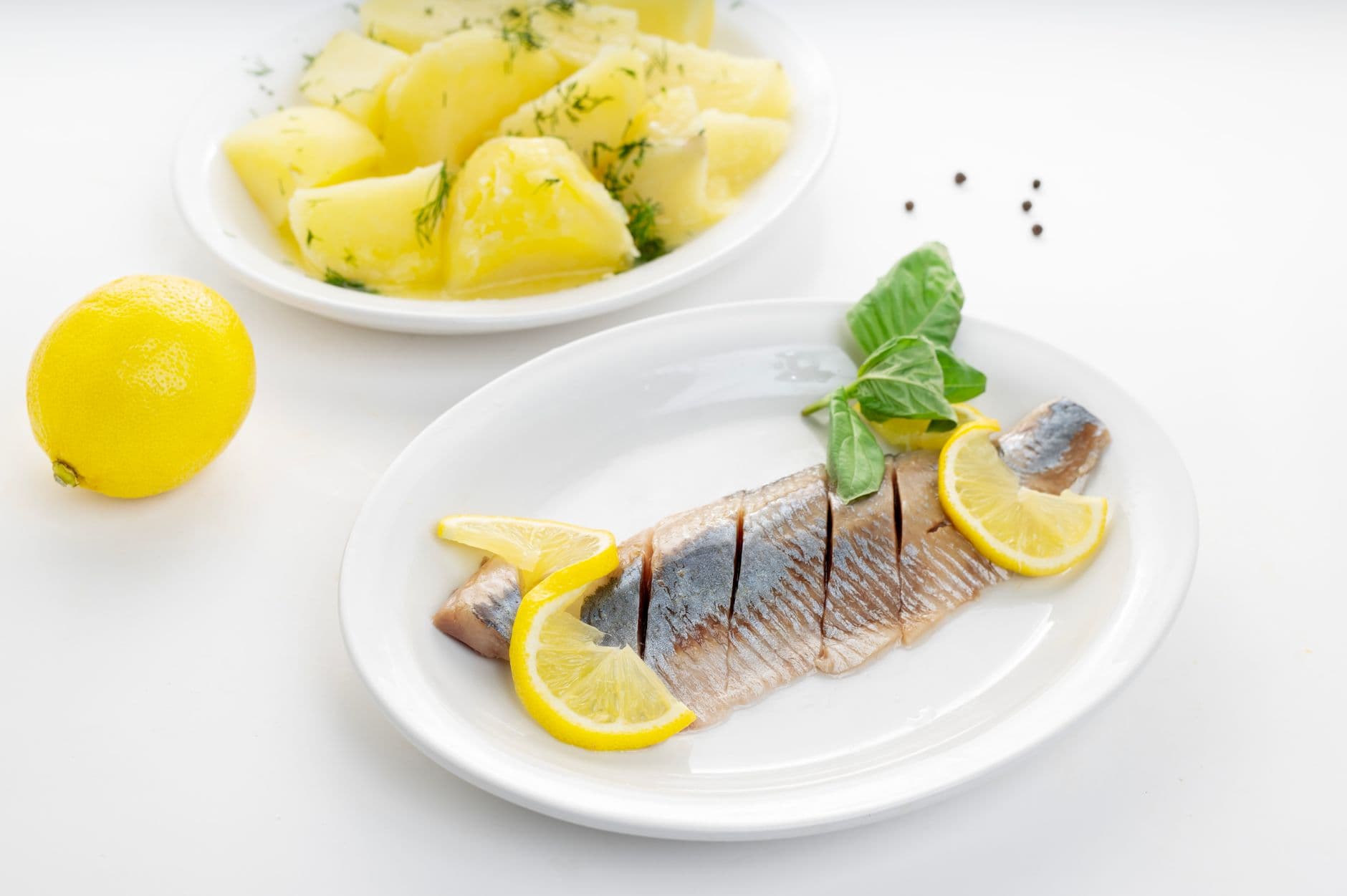
Herring during pregnancy and how cooking makes herring safe
Herring during pregnancy is unsafe if you eat it cold or cold-smoked without cooking, and according to the UK National Health Service (NHS), cold-smoked and cured fish such as herring must be cooked until steaming hot to kill listeria bacteria. When you cook herring thoroughly at home until steaming hot all the way through, herring becomes safe during pregnancy provided you do not exceed two portions of oily fish per week. Eating herring straight from the package or warming it briefly without full cooking carries the risk of foodborne infection that can reach your baby.
Listeriosis is an infection caused by listeria bacteria that can survive in cold-smoked and salt-cured fish even when kept refrigerated. According to the NHS, this infection usually causes mild symptoms in non-pregnant adults, but it can cause miscarriage, stillbirth, or severe illness in newborn babies if contracted during pregnancy. Safety therefore does not depend merely on the shop where you buy the herring, but on exposing the fish to full cooking heat that destroys bacteria completely before you eat it.
Alongside cooking method, herring belongs to the group of oily fish that includes salmon, sardines, mackerel, and trout. According to the NHS, you should eat no more than two portions of oily fish per week during pregnancy because oily fish can contain environmental pollutants such as mercury that build up with excess intake. Sticking to this weekly limit gives your body the benefits of omega-3 fatty acids and protein needed for your baby's growth without exposing your baby to pollutant accumulation.
The table below shows the difference between ways of serving herring and other fish during pregnancy according to NHS guidance. You can check it before preparing your meal to confirm the safety of your chosen dish. Note that canned tuna does not count toward your weekly oily fish portions and has its own separate limit.
| Fish Type and Preparation | Safety in Pregnancy | Allowed Limit per NHS |
|---|---|---|
| Smoked or cured herring cooked until steaming hot | Safe when cooked until steaming hot | Maximum 2 portions per week as part of oily fish |
| Cold-smoked herring or eaten cold without cooking | Unsafe due to potential listeria contamination | Avoid completely unless cooked until steaming hot |
| Other cooked oily fish (salmon, sardines, mackerel) | Safe when thoroughly cooked | Total oily fish including herring max 2 portions weekly |
| Cooked or canned tuna | Safe within weekly limit | Maximum 4 medium cans or 2 tuna steaks per week |
Herring during pregnancy in the first months and listeria risks
Herring during pregnancy in the first months requires strictly avoiding cold or uncooked herring because the first trimester is the stage of core organ formation and heightened miscarriage risk from infection. According to the NHS, contracting listeriosis during pregnancy can lead to miscarriage, making any smoked or cured fish eaten without thorough heating a real hazard in early pregnancy. If you crave herring in your early weeks, you must cook the fillets on the stove or in the oven until steaming hot throughout.
Some mothers in early pregnancy gravitate toward salty and sour foods to offset a metallic taste in the mouth or satisfy strong salt cravings. Although craving salty foods is common and normal, eating ready-made cold herring from shops or in chilled sandwiches combines bacterial contamination risk with high sodium. Thorough heat cooking in your own kitchen is the only barrier that destroys listeria bacteria and protects your pregnancy during this sensitive stage.
Keep in mind that fermented salted fish differs from cooked herring, and raw cured fish eaten without heat cooking remains unsafe throughout pregnancy. Even during family gatherings and spring holidays, avoid tasting cold pieces served on shared platters. Make sure to set aside a clean fillet for yourself, remove the skin and bones, and cook it in a hot pan or oven until steaming hot before serving it on your plate.
Herring during pregnancy in the second month and morning sickness
Herring during pregnancy in the second month can worsen nausea, heartburn, and intense thirst due to its high salt content and strong aroma, and it is medically safe only when cooked until steaming hot per NHS guidance. In the second month, pregnancy hormones rise rapidly, making your stomach more sensitive to strong smells, smoked fats, and heavy seasoning. Therefore, even when herring is thoroughly cooked and bacterially safe, it may still trigger digestive discomfort or vomiting if heavily salted.
If you experience frequent vomiting in the second month, eating a high-salt meal can strain your fluid balance and increase feelings of dehydration and headache. You can reduce the salt in a herring fillet before cooking by soaking the boned fillet briefly in cold water or pasteurized milk inside the refrigerator, then draining and patting it dry before heating it on the stove. This simple kitchen step softens the saltiness without replacing the requirement to cook it until steaming hot.
Also make sure to drink plenty of water throughout the day after eating any salty food, and avoid adding large amounts of raw onion to your herring dish if your stomach suffers from acid reflux. Replacing raw onion with vegetables cooked alongside the herring fillet over heat gives you a meal that is easier to digest and safer, ensuring cooking heat reaches every ingredient in the dish.
Source: NHS
Herring during pregnancy in the third month and fetal growth
Herring during pregnancy in the third month is safe only when cooked thoroughly until steaming hot and limited to no more than two portions a week of total oily fish according to the NHS. By the end of the third month, the initial stage of your baby's organ development finishes, and your appetite gradually improves as morning sickness eases for many mothers. During this period, cooked oily fish supplies your body with essential protein and fatty acids, provided you strictly follow hygiene and heat-cooking rules.
Oily fish are fish whose tissues contain natural oils rich in omega-3 fatty acids, such as herring, sardines, salmon, and mackerel. According to the NHS, eating fish during pregnancy benefits both mother and baby, but oily fish can carry environmental pollutants such as mercury, which is why the two-portion weekly cap exists. If you eat one portion of salmon or sardines in the same week, you have only one remaining portion of thoroughly cooked herring for that week.
When buying herring in the third month, choose firm fish kept refrigerated inside a sealed package with a clearly printed expiration date. Stay away from herring displayed outdoors without refrigeration or fish showing an unusual pungent odor or torn skin. Keeping the fish chilled before cooking slows bacterial growth, and thorough hot cooking then eliminates any lingering bacteria before you eat your meal.
Source: NHS
Herring during pregnancy in the fourth month and the second trimester
Herring during pregnancy in the fourth month becomes a safe option on your table when you fillet it and cook it over heat until steaming hot throughout, in line with NHS recommendations. As the second trimester begins in the fourth month, your energy returns and your desire to vary your meals and share family dishes grows. Despite feeling physically more comfortable this month, your immune system during pregnancy remains more vulnerable to listeria bacteria than when not pregnant, so never skip thorough cooking.
Some mothers make a common mistake when preparing herring at home by holding the whole fish over an open flame for just a few seconds until the skin splits while the flesh inside stays cold or lukewarm. This traditional method is not enough to kill listeria bacteria inside thick fish tissue. The safe method is cutting herring fillets into medium pieces and cooking them in a pan or oven dish until every piece is cooked all the way through and visibly steaming hot.
To prepare a safe and satisfying herring dish in the fourth month, follow these hygiene and cooking steps in your kitchen:
- Separate the cutting board and knife used for cleaning raw herring from the tools used for chopping salad and bread to prevent cross-contamination.
- Remove the head, skin, innards, and bones completely, and discard the herring roe unless it is thoroughly cooked through at high heat.
- Cut the fillets into even pieces and cook them over heat with a little oil and vegetables until steaming hot all the way through per NHS guidance.
- Wash your hands and kitchen surfaces with warm soapy water immediately after touching the uncooked fish, and eat your meal while piping hot.
Herring during pregnancy in the fifth and sixth months and oily fish portions
Herring during pregnancy in the fifth month as well as the sixth month is permitted provided you cook it until steaming hot and do not exceed two portions of oily fish per week according to the NHS. In mid-pregnancy, your need for protein increases to support fetal tissue growth, and cooked fish serves as a good nutritional source when prepared safely. However, during these months your blood and fluid volume also naturally expands, making attention to dietary salt important for your comfort.
When you eat cooked herring in the fifth or sixth month, balance your meal by adding tahini and thoroughly washed fresh vegetables such as cucumber, tomato, and lettuce to dilute the salt concentration in each bite. Avoid serving pickles or heavily salted chips alongside herring in the same meal so you do not stack multiple high-sodium foods in a single day. This simple balance helps prevent bloating and heavy feet at the end of the day.
Remember also that leftover cooked herring should not be left out at room temperature for hours and then eaten cold in the evening. According to the NHS, chilled ready-to-eat foods must be kept properly refrigerated and smoked fish must be cooked until steaming hot before eating. It is always safest to cook only your fresh single portion and eat it right away while hot.
Source: NHS
Herring during pregnancy in the final months, salt, and blood pressure
Herring during pregnancy in the final months calls for extra caution regarding high salt content alongside the requirement to cook it until steaming hot per NHS guidance. In the third trimester—the seventh, eighth, and ninth months—your body is more prone to fluid retention in the feet, ankles, and hands, and your blood pressure is monitored at every prenatal visit. If your blood pressure is elevated or your doctor has advised limiting salt due to swelling, it is best to replace salted herring with fresh unsalted fish cooked at home.
As for listeria bacteria, the risk in the final months is no smaller than in early pregnancy; the NHS explains that listeriosis during pregnancy can cause stillbirth or severe life-threatening illness in newborn babies, such as sepsis or meningitis. An unborn baby may also show reduced fetal movement if the mother develops the infection. Full heat cooking until steaming hot therefore remains a strict rule right up to your delivery day.
If your blood pressure readings are normal and your doctor clears you to eat a small portion of cooked herring in the final months, stick to a small pre-soaked piece cooked thoroughly over heat, and eat it for lunch rather than dinner. Eating salty foods in the evening increases nighttime thirst, frequent waking, and heartburn when lying down, whereas eating earlier in the day with plenty of water supports comfortable digestion before bedtime.
What's common
- Separate the cutting board and knife used for cleaning raw herring from the tools used for chopping salad and bread to prevent cross-contamination.
- Remove the head, skin, innards, and bones completely, and discard the herring roe unless it is thoroughly cooked through at high heat.
- Cut the fillets into even pieces and cook them over heat with a little oil and vegetables until steaming hot all the way through per NHS guidance.
- Wash your hands and kitchen surfaces with warm soapy water immediately after touching the uncooked fish, and eat your meal while piping hot.
When to call a doctor now
According to the NHS, you do not need to take action if you recently ate smoked fish unless you develop symptoms, but contact your doctor or seek urgent medical care immediately if you notice any of the following after eating herring:
- A high temperature accompanied by chills and flu-like muscle and body aches.
- Persistent vomiting, diarrhea, or stomach and abdominal pain after eating the meal.
- Noticing your baby moving less than usual, which the NHS identifies as a warning sign when a pregnant woman has listeriosis.
- Severe headache, stiff neck, discomfort looking at bright lights, or sudden confusion, which require immediate emergency hospital care.
Track your symptoms, blood pressure readings, and baby kicks in one place
After salty meals or whenever you want to check in on your health across pregnancy weeks, use the symptom log, blood pressure log, and kick counter in the Nawah app to record your daily readings privately on your phone, and ask the Nawal assistant in Arabic or English about any food you are unsure about before your next doctor visit.
Get NawahCommon questions
Herring during pregnancy in the third month: are the risks of cold herring different in this month?
The risks do not change; cold-smoked or cured herring is unsafe in the third month and throughout pregnancy. According to the NHS, cold-smoked fish can contain listeria bacteria, which can cause miscarriage or harm to your baby. To make it safe in the third month, you must cook it over heat until steaming hot and stick to a maximum of two portions of oily fish per week.
Herring during pregnancy in the sixth month: how many times a week can you eat cooked herring?
You can eat thoroughly cooked herring within a limit of no more than two portions per week of total oily fish—including herring, salmon, sardines, and mackerel—according to the NHS. This cap protects you and your baby from the buildup of pollutants such as mercury found in oily fish. In the sixth month, also soak the herring before cooking to reduce salt and help prevent fluid retention.
Herring during pregnancy in the seventh month: how do you prepare herring safely at home?
To prepare herring safely in the seventh month, completely remove the skin, bones, and innards, cut the flesh into medium fillets, and cook them in a pan or oven until steaming hot all the way through per NHS guidance. Do not simply pass the whole fish over a stove flame for a few seconds, as the center stays cold. Wash your hands and cutting tools with hot soapy water right after preparation.
Herring during pregnancy in the eighth month: why does salted herring increase fluid retention?
Salt-cured herring contains high sodium levels that cause your body to hold onto water, worsening the foot and hand swelling common in the eighth month of pregnancy. If you have high blood pressure or noticeable swelling, it is best to skip salted herring and choose fresh low-salt cooked fish instead. If your blood pressure is normal, always cook herring until steaming hot per NHS advice and drink plenty of water.
Herring during pregnancy in the ninth month: is eating herring before birth safe for you and your baby?
Herring in the ninth month is safe from infection risk only when cooked thoroughly until steaming hot, as the NHS warns that contracting listeriosis in late pregnancy can cause serious infection in newborn babies. At the same time, high salt intake in the ninth month can worsen heartburn and blood pressure before delivery. Consult your doctor if your blood pressure fluctuates, and never eat cold herring.
Herring in late pregnancy: what should you do if you ate cold herring without cooking it?
According to the NHS, cold-smoked fish does not always contain listeria bacteria, and if you ate it recently you do not need to do anything unless you develop symptoms. Calmly monitor how you feel and your baby's movements over the following days. If you develop a fever, stomach ache, vomiting, diarrhea, or notice your baby moving less than usual, contact your doctor right away for evaluation.
Is herring safe during pregnancy if soaked in lemon juice or vinegar without heating?
No, adding lemon juice, vinegar, or oil to cold herring improves the flavor but does not kill listeria bacteria at all. The NHS emphasizes that cold-smoked and cured fish must be cooked with heat until steaming hot to become safe during pregnancy. You can add lemon juice and tahini as you like after cooking the herring fillets thoroughly over heat.
Sources
- Foods to avoid in pregnancy - NHSNHS · retrieved 2026-10-27
- Listeriosis - NHSNHS · retrieved 2026-10-27
This guide is general information, not medical advice. It does not replace a doctor, and it knows nothing about your particular pregnancy. If something feels wrong, contact your doctor instead of waiting for the next scheduled visit.