Safe in pregnancy? — Foods
Feseekh during pregnancy: Is it safe across pregnancy months?
A direct medical answer on eating feseekh and salted cured fish in each trimester of your pregnancy, with safe alternatives for your salty cravings.
Feseekh during pregnancy and the risks of raw salted fish
Eating feseekh during pregnancy is unsafe in all months because it is made from raw mullet fish fermented in salt without heat cooking. According to the UK National Health Service (NHS), raw or cold-cured fish may contain parasites and Listeria bacteria that cause listeriosis, a serious infection in pregnancy. Therefore, avoiding it completely from the first month until birth is advised.
Listeriosis is a bacterial infection transmitted through contaminated food that can pass to the baby through the placenta. According to the NHS, this infection can lead to miscarriage, stillbirth, or severe illness in a newborn baby.
Alongside bacterial and parasitic risks, preparing feseekh relies on curing in large amounts of salt without heat to kill microbes. Salting alone does not kill bacteria or parasites in raw fish tissue; only thorough cooking at high heat makes fish safe to eat.
Source: NHS
Feseekh during pregnancy in the first months
Feseekh during pregnancy in the first months is strictly avoided to protect the fetus while vital organs form. During your first trimester, your immune system changes and becomes more susceptible to foodborne infections compared to when you are not pregnant.
If you are wondering about feseekh in the first month or feseekh in the second month of pregnancy, the answer is complete avoidance. According to the NHS, contracting listeriosis from uncooked fish raises the risk of early pregnancy loss.
This warning extends to feseekh in the third month of pregnancy as well, when cravings for salty and sour foods often grow as morning sickness eases. Despite strong cravings for salty items during this phase, even a small piece of raw salted fish can carry the same bacteria as a full meal.
Furthermore, vomiting and diarrhea from food poisoning in the early months cause rapid dehydration for you. Dehydration in early pregnancy worsens nausea and fatigue and requires medical care to replace fluids.
Source: NHS
Feseekh during pregnancy in the fourth, fifth, and sixth months
Eating feseekh in the fourth, fifth, and sixth months of pregnancy remains unsafe despite pregnancy stabilizing in the second trimester. Some people mistakenly believe that finishing the first three months means tasting salted fish is harmless.
When looking up feseekh in the fifth month or sixth month of pregnancy, remember that the placenta transfers nutrients to your baby and also allows certain harmful bacteria to cross. According to the NHS, the risk of Listeria and parasites in uncooked fish does not stop after the first trimester ends.
Additionally, the heavy salt used in curing feseekh enters your body in large amounts in a single meal. According to the NHS, cutting down on salt in food is advised because high intake is linked to high blood pressure, which your doctor monitors closely from mid-pregnancy.
Source: NHS
Feseekh during pregnancy in the seventh, eighth, and ninth months
Feseekh in the seventh, eighth, and ninth months of pregnancy poses a dual risk combining bacterial infection and fluid retention. In your third trimester, your body is more prone to swelling in the feet and hands, and eating a heavily salted meal worsens this swelling and blood pressure.
Regarding feseekh in the eighth month or ninth month of pregnancy, a foodborne infection in the final weeks can trigger early contractions or pass infection to the baby at birth. According to the NHS, listeriosis in late pregnancy can cause severe illness in a newborn right after birth.
The table below compares feseekh with other fish types during your pregnancy, showing how medical guidance differs by preparation and cooking method:
| Fish type and preparation | Medical safety in pregnancy | Medical reason and rules |
|---|---|---|
| Feseekh, melouha, and raw salted sardines | Completely unsafe | Raw salted fish without heat cooking; may carry Listeria and parasites (per NHS) |
| Cold-smoked or uncooked herring (ringa) | Unsafe unless cooked until steaming hot | Smoked or cured fish is only safe if cooked until steaming hot all the way through (per NHS) |
| Fresh mullet or tilapia cooked thoroughly | Safe and beneficial | Thorough heat cooking kills bacteria and parasites and provides protein while you control the salt (per NHS) |
Source: NHS
Common myths about making feseekh safe during pregnancy
No cold household additions make feseekh safe to eat during pregnancy without thorough heat cooking. During holidays, popular tips claim certain toppings kill bacteria in salted fish, which is medically incorrect.
According to the NHS, the only way to kill Listeria bacteria in cured or smoked fish is cooking it until steaming hot all the way through, while freezing kills parasites but does not kill bacteria. Here is the truth behind common household practices:
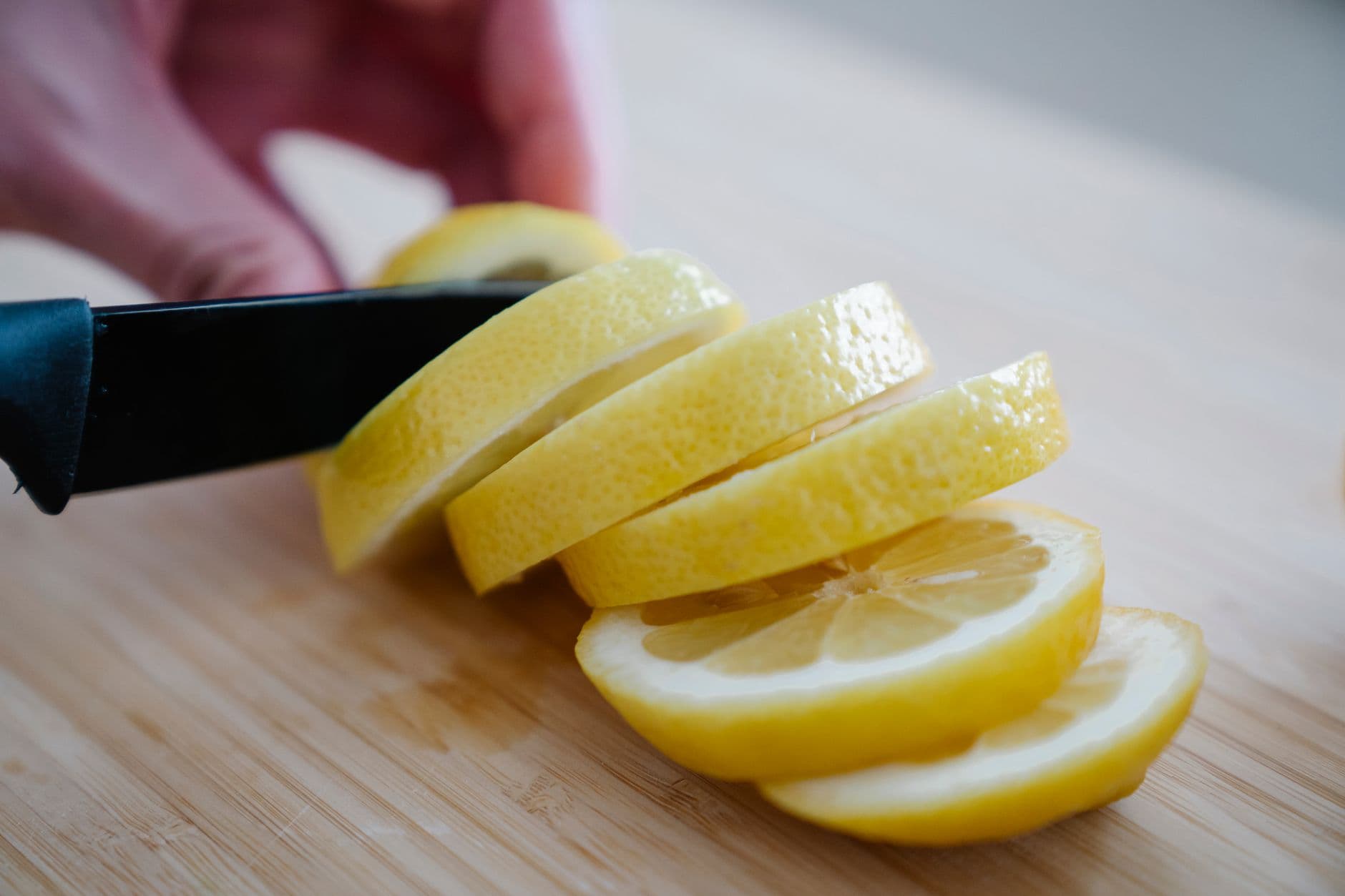
- Adding plenty of lemon juice or vinegar: Gives a sour taste but does not kill Listeria bacteria or parasites inside raw fish flesh.
- Freezing feseekh before eating: Freezing kills parasites in raw fish per the NHS, but does not destroy Listeria bacteria, which become active again after thawing.
- Dipping feseekh in tahini or oil: Softens the salty taste in your mouth, but does not lower the sodium your body absorbs or prevent food poisoning.
- Buying feseekh from a known shop or making it at home: Cleanliness does not stop anaerobic bacteria or Listeria from growing as long as the fish remains raw without heat cooking.
Source: NHS
Alternatives to feseekh during pregnancy on Sham El-Nessim and holidays
Cooked, safe alternatives can replace feseekh during pregnancy and give you the flavor of fish and lemon at family gatherings. According to the NHS, eating thoroughly cooked fish is a healthy part of a pregnancy diet because it provides important nutrients for you and your baby.
To satisfy your craving for salty and sour dishes and share the holiday table with your family without risk, you can choose one of these fully cooked options:
- Grilled or oven-baked mullet (Singary style): Made from the same fish used for feseekh, but cooked thoroughly in the oven with lemon, cumin, vegetables, and moderate salt.
- Drained canned tuna or oven-baked salmon: Pre-cooked or home-cooked options served with fresh lemon juice, green onions, and tahini.
- Hard-boiled eggs dyed naturally: A traditional Sham El-Nessim dish that is safe and nutritious in pregnancy when boiled until both white and yolk are solid, per NHS guidance.
- Hummus and tahini salad with thoroughly washed leafy greens: Gives you a rich texture and lemon-cumin flavor when lettuce, arugula, and green onions are washed carefully under running water.
Source: NHS
What's common
- Adding plenty of lemon juice or vinegar: Gives a sour taste but does not kill Listeria bacteria or parasites inside raw fish flesh.
- Freezing feseekh before eating: Freezing kills parasites in raw fish per the NHS, but does not destroy Listeria bacteria, which become active again after thawing.
- Dipping feseekh in tahini or oil: Softens the salty taste in your mouth, but does not lower the sodium your body absorbs or prevent food poisoning.
- Buying feseekh from a known shop or making it at home: Cleanliness does not stop anaerobic bacteria or Listeria from growing as long as the fish remains raw without heat cooking.
- Grilled or oven-baked mullet (Singary style): Made from the same fish used for feseekh, but cooked thoroughly in the oven with lemon, cumin, vegetables, and moderate salt.
- Drained canned tuna or oven-baked salmon: Pre-cooked or home-cooked options served with fresh lemon juice, green onions, and tahini.
- Hard-boiled eggs dyed naturally: A traditional Sham El-Nessim dish that is safe and nutritious in pregnancy when boiled until both white and yolk are solid, per NHS guidance.
- Hummus and tahini salad with thoroughly washed leafy greens: Gives you a rich texture and lemon-cumin flavor when lettuce, arugula, and green onions are washed carefully under running water.
When to call a doctor now
If you have already eaten feseekh before reading this information, do not panic, but monitor how you feel and contact your doctor or go to emergency care immediately if you notice any of the following symptoms (according to the NHS):
- A high temperature or chills with muscle aches similar to flu symptoms, which are signs of listeriosis according to the NHS.
- Repeated vomiting or diarrhea that stops you from keeping fluids down and puts you at risk of dehydration.
- Blurred or double vision, difficulty swallowing or speaking, or muscle weakness after eating salted fish.
- A severe sudden headache or noticeable sudden swelling in your face, hands, or feet after eating a high-salt meal.
- A decrease or change in your baby's usual movements, or feeling abdominal cramps and contractions.
Save your food questions for your next visit and log your symptoms in Nawah
In the Nawah app, you can ask Nawal in Arabic or English about safe foods in your current pregnancy week, and log your blood pressure and any symptoms in your private symptom and blood pressure logs to review with your doctor at your next appointment.
Get NawahCommon questions
Does feseekh during pregnancy in the first month cause miscarriage?
Yes, feseekh can raise the risk of miscarriage if it is contaminated with Listeria bacteria. According to the NHS, raw and uncured or cold-cured fish can transmit listeriosis, an infection that may lead to miscarriage. Therefore, it should be avoided in the first month and throughout pregnancy.
Is eating feseekh during pregnancy in the fourth or fifth month safe?
Feseekh in the fourth month and fifth month of pregnancy remains completely unsafe. Pregnancy stability in the second trimester does not stop bacteria or parasites in raw fish from reaching the fetus, and the high salt content raises blood pressure.
Is feseekh during pregnancy in the seventh or eighth month allowed?
Eating feseekh in the seventh or eighth month of pregnancy is not advised due to the risks of foodborne infection and high blood pressure. In the third trimester, heavy salt worsens fluid retention and swelling, while Listeria infection threatens the baby's safety.
Does feseekh during pregnancy in the ninth month help labor or harm the baby?
Feseekh in the ninth month of pregnancy does not help labor and can harm both mother and baby. According to the NHS, contracting listeriosis in late pregnancy can cause severe illness in the newborn at birth, alongside the risk of high blood pressure right before delivery.
I ate a small piece of feseekh while pregnant, what should I do now?
Stay calm, as most cases do not develop an infection, but drink plenty of water to offset the salt and monitor your body. If you develop a fever, chills, muscle aches, vomiting and diarrhea, or a change in baby movements, contact your doctor right away.
Is herring (ringa) a safe alternative to feseekh during pregnancy?
According to the NHS, smoked or cured fish like herring is only safe in pregnancy if cooked thoroughly until steaming hot all the way through. However, its salt content remains high, so choosing fresh grilled fish with low salt is preferable.
Does frying feseekh in oil or baking it make it safe during pregnancy?
Although thorough cooking at high heat kills Listeria bacteria and parasites per the NHS, feseekh is fermented in a way that can produce bacterial toxins that heat does not destroy, and its salt level remains extremely high. Therefore, the safe choice is buying fresh mullet and baking it from scratch.
Sources
- Foods to avoid in pregnancy — NHSNHS · retrieved 2026-10-27
This guide is general information, not medical advice. It does not replace a doctor, and it knows nothing about your particular pregnancy. If something feels wrong, contact your doctor instead of waiting for the next scheduled visit.