
Safe in Pregnancy? · Foods
Cinnamon During Pregnancy and Its Safety in the First and Ninth Months
A clear guide showing when cinnamon in your food and drinks is safe during pregnancy and when concentrated doses and supplements become a risk to avoid, prepared by the Nawah team for health education without clinical authorship or review.
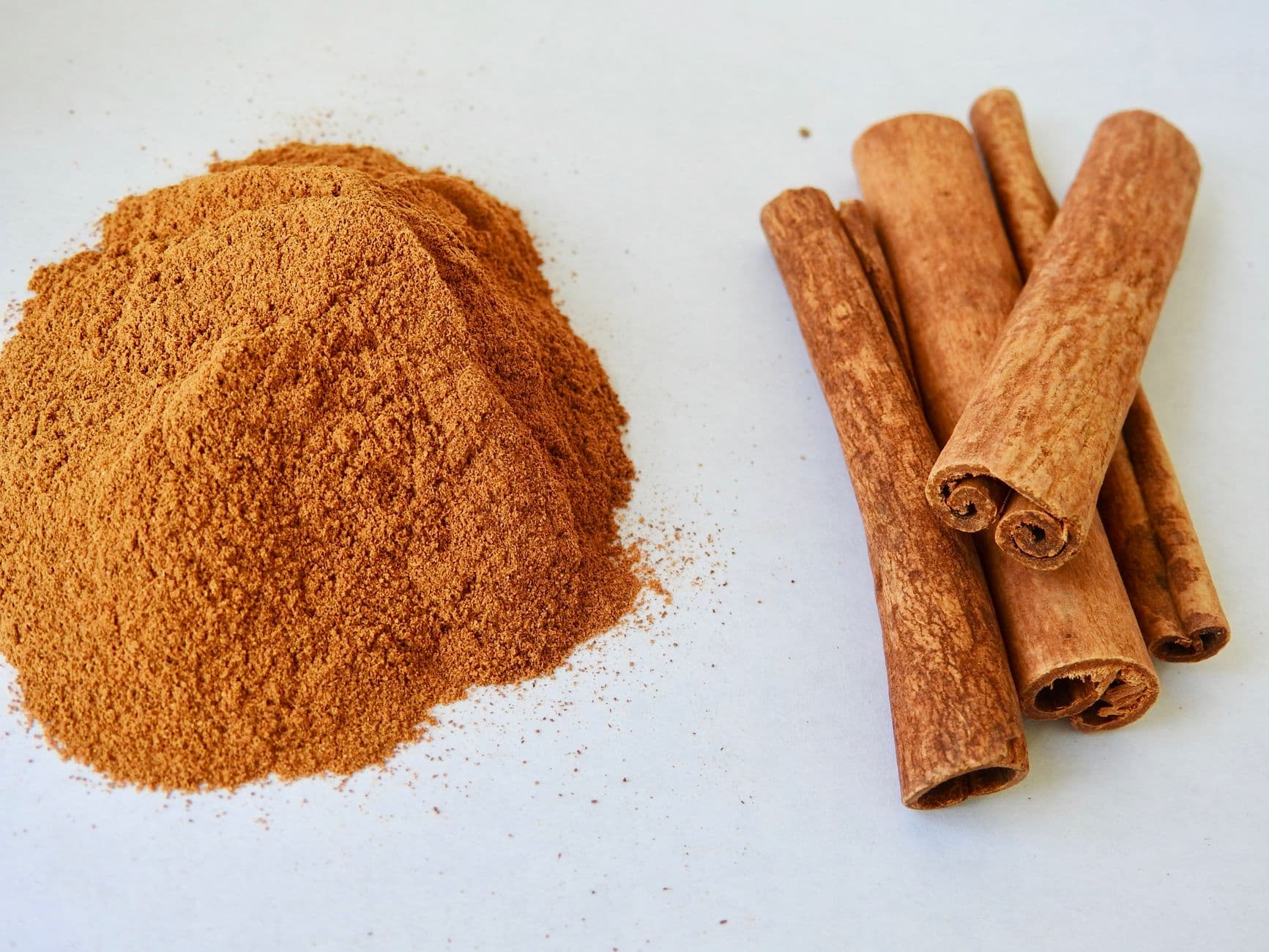
Cinnamon During Pregnancy and the Safe Amount in Food
Cinnamon during pregnancy is safe when you consume it in normal culinary amounts as a spice or flavoring in baked goods and everyday dishes. According to the U.S. National Center for Complementary and Integrative Health (NCCIH), studies suggest that using Ceylon and Cassia cinnamon during pregnancy is safe in amounts commonly found in foods, whereas taking larger amounts is considered unsafe during pregnancy. This means a sprinkle of cinnamon on oatmeal, rice, or homemade desserts poses no risk to your pregnancy.
The core medical difference lies between simple culinary use and concentrated medicinal doses. When you add cinnamon in the kitchen, your body receives a tiny amount of active compounds that neither strains the liver nor affects pregnancy stability. Dietary supplement capsules, concentrated essential oils, or frequent heavy decoctions introduce concentrations far above normal dietary levels.
One common type of cinnamon sold in markets contains a natural compound that requires your attention during pregnancy. Coumarin is a naturally occurring chemical compound found in high concentrations in Cassia cinnamon, and consuming excessive amounts over long periods can strain the liver. According to the NCCIH, Ceylon cinnamon contains only a trace amount of coumarin compared to Cassia cinnamon.
To help you distinguish quickly in your kitchen, the following table outlines the safety level of each form of cinnamon during your pregnancy months.
| Form of Cinnamon | Safety Level in Pregnancy | Practical Medical Guidance |
|---|---|---|
| Sprinkle of cinnamon in food and baking | Safe | Use it as a normal flavoring in your meals without daily excess. |
| Ceylon (true) cinnamon in food | Safe in food amounts | A better choice for frequent cooking use due to its trace coumarin content. |
| Cassia cinnamon in food | Safe in small amounts only | Avoid heavy daily intake because it contains higher levels of coumarin. |
| Mild cinnamon tea | Allowed in moderation | Keep it mild and within the maximum limit of 4 cups of herbal tea per day. |
| Cinnamon supplements or concentrated oil | Unsafe | Avoid cinnamon capsules and large medicinal doses throughout pregnancy. |
Source: NCCIH (NIH) · NHS
Cinnamon During Pregnancy in the First Trimester
Cinnamon during pregnancy in the first trimester is safe when limited to a mild flavoring added to cooked food or dessert. According to the National Center for Complementary and Integrative Health (NCCIH), amounts commonly found in foods are safe during pregnancy, and no scientific evidence links a culinary sprinkle in meals to miscarriage. This medical guidance applies across your first, second, and third months of pregnancy.
You may hear many traditional warnings about cinnamon in early pregnancy out of fear for fetal stability. This worry stems from confusing heavy boiled cinnamon decoctions with eating cinnamon-flavored food. When you eat a cinnamon pastry or seasoned rice dish, the amount reaching your body is minuscule and does not trigger uterine contractions.
At the same time, the first three months are marked by stomach sensitivity and frequent morning sickness. The NCCIH notes that consuming cinnamon in large amounts can cause gastrointestinal problems or allergic reactions. Drinking concentrated cups of cinnamon in early pregnancy can therefore worsen stomach irritation and heartburn without offering any medical benefit.
If you ate a meal containing cinnamon before discovering your pregnancy or during your first weeks, there is no need to worry at all. You can follow simple kitchen steps to enjoy its flavor safely during the first trimester:
- Stick to a light sprinkle of ground cinnamon on breakfast or desserts instead of boiling whole sticks in water.
- Stop consuming cinnamon if you notice it increases your nausea or heartburn after a meal.
- Completely avoid any traditional herbal blends or dietary supplements containing concentrated cinnamon extract.
- Read the ingredient label on packaged herbal teas to ensure they are free of licorice root or high concentrations.
Source: NCCIH (NIH) · NHS
Cinnamon During Pregnancy in the Fourth Month and Second Trimester
Eating cinnamon during pregnancy in the fourth, fifth, and sixth months remains safe when used in normal cooking amounts in your meals. According to the National Center for Complementary and Integrative Health (NCCIH), normal dietary amounts of cinnamon are safe for pregnant women, while restrictions apply only to high doses and supplements. As nausea settles in the second trimester and your appetite gradually returns, you can confidently add cinnamon flavor to your favorite dishes.
Many mothers at this stage enjoy using cinnamon to flavor warm milk, oatmeal, or baked fruit to reduce cravings for white sugar. This smart homemade approach gives you a warm, pleasant taste without exceeding moderate culinary limits. The key is not letting your use shift from a food spice to a large daily dose taken by the spoonful.
Advice on forums often encourages pregnant women in the fifth or sixth month to take cinnamon capsules to prevent gestational diabetes. According to the NCCIH, scientific research does not clearly support using cinnamon for any health condition, and it remains unclear whether cinnamon supplementation helps with diabetes. Therefore, you should never rely on cinnamon to control blood sugar during pregnancy.
If your doctor orders a glucose tolerance test late in the second trimester, follow the diet and medical treatment prescribed for you. You can continue adding a sprinkle of cinnamon to your food purely for flavor, while informing your doctor about any herbs you consume regularly. This balance protects your health and prevents any interaction with your medications.
Source: NCCIH (NIH)
Cinnamon During Pregnancy in the Seventh and Eighth Months
Cinnamon during pregnancy in the seventh and eighth months is safe within normal cooking limits, provided you avoid large amounts that can irritate the digestive tract. According to the National Center for Complementary and Integrative Health (NCCIH), consuming cinnamon in large doses or over long periods is associated with side effects, most commonly gastrointestinal disturbances. In the third trimester, your growing uterus presses against your stomach and makes you more prone to acid reflux.
You may notice in the seventh or eighth month that heavily spiced foods increase heartburn, especially when lying down at night. In this case, cinnamon is not a danger to the fetus itself, but rather a trigger for greater digestive discomfort. Reducing spices in your evening meal helps you sleep more comfortably.
In these later months, you also need to protect your liver health and avoid placing extra strain on it. The NCCIH points out that prolonged use of coumarin-rich Cassia cinnamon can be an issue for sensitive individuals or those with liver conditions. If you enjoy cinnamon flavor almost daily in your food, choose Ceylon cinnamon because it contains only a trace amount of coumarin.
In the eighth month, make sure not to try popular remedies aimed at speeding up labor early. Between weeks 28 and 36, your baby is still completing lung and brain development inside the womb. Enjoy a mild cinnamon flavor in your food and let the timing of birth follow your doctor's evaluation.
Source: NCCIH (NIH)
Cinnamon During Pregnancy in the Ninth Month and Its Relation to Labor
Cinnamon during pregnancy in the ninth month is safe in normal culinary amounts, and no scientific evidence proves that drinking it induces labor or dilates the cervix. According to the National Center for Complementary and Integrative Health (NCCIH), scientific research does not support using cinnamon for any health condition, and taking Ceylon cinnamon in large amounts during pregnancy is considered unsafe. Boiling heavily concentrated cinnamon in the ninth month to speed up birth is a folk practice unsupported by medicine.
Many mothers feel exhausted in the final weeks and eager for labor to begin, prompting relatives to suggest drinking cup after cup of hot boiled cinnamon. The medical problem with this habit is that large doses of cinnamon can cause severe intestinal cramps, nausea, or diarrhea right before delivery. This digestive distress drains your energy and fluids at a time when you need your full strength for labor.
Furthermore, overconsuming concentrated Cassia cinnamon can introduce high amounts of coumarin into your body in late pregnancy. If you want a warm drink to soothe your nerves in the ninth month, you can enjoy a mild cup of warm milk with a small pinch of cinnamon for flavor and relaxation. This gentle cup gives you warmth without exposing you to the risks of high doses.
Always remember that the onset of labor depends on your body's readiness and your baby's maturity, not on concentrated herbal drinks. If you pass your estimated due date or feel heavy discomfort in the ninth month, discuss safe medical ways to induce labor with your doctor. Only your doctor can accurately assess your cervix and your baby's heart rate.
Source: NCCIH (NIH)
Cinnamon Water During Pregnancy and Herbal Tea Guidelines
Drinking cinnamon water during pregnancy or mild cinnamon tea is allowed in moderation, provided it is not brewed at a medicinal concentration and does not exceed the daily herbal tea limit. According to the UK National Health Service (NHS), pregnant women are advised to avoid drinking more than 4 cups of herbal tea a day because there is limited research on the effects of herbal teas in pregnancy. This daily cap covers all herbal teas you drink throughout the day, not just cinnamon.
Mild cinnamon tea prepared by steeping a small stick in warm water for a few minutes differs from a heavy decoction boiled on the stove for a long time. Prolonged boiling of large amounts of cinnamon sticks or powder extracts high concentrations of volatile oils and coumarin. Moderation in how you prepare the drink is therefore just as important as the number of cups.
The UK National Health Service (NHS) also warns against drinking herbal teas containing licorice root during pregnancy. Many store-bought cinnamon tea blends (such as spiced chai blends) contain multiple herbs including licorice root. Reading the ingredient list before buying is an essential step to protect your pregnancy.
To prepare a warm, safe cup of cinnamon drink during your pregnancy without exceeding healthy limits, follow these practical rules:
- Steep a small piece of a Ceylon cinnamon stick in a cup of hot water briefly, then remove it before drinking.
- Count this cup toward the recommended maximum of 4 cups of all herbal teas per day according to NHS guidelines.
- Prefer adding a tiny pinch of cinnamon to a cup of warm pasteurized milk or caffeine-free fruit tea instead of drinking concentrated cinnamon water on an empty stomach.
- Make sure commercial cinnamon tea bags are free from licorice root or added caffeine before drinking them.
Source: NCCIH (NIH) · NHS
Benefits of Cinnamon During Pregnancy and the Difference Between Ceylon and Cassia
The scientific answer regarding the benefits of cinnamon during pregnancy lies in its value as a natural food flavoring that helps you cut back on sugar and salt, rather than as a medical treatment. According to the National Center for Complementary and Integrative Health (NCCIH), although cinnamon products are promoted for diabetes, weight loss, and hay fever, scientific research does not clearly support using cinnamon for any health condition. Its real benefit for you during pregnancy is making healthy meals like oatmeal, fruit, and milk taste better.
To understand how to choose the best cinnamon for your kitchen, it helps to know the two main types described by the NCCIH. Ceylon cinnamon, known as true cinnamon and grown primarily in Sri Lanka, features thin, fragile bark layers and only a trace amount of coumarin. Cassia cinnamon, grown in southeastern Asia, is the most common type sold commercially and has thick, hard bark with a higher coumarin content.
Beyond watching oral intake, you should also be cautious about applying cinnamon oil or powder topically to your skin during pregnancy. Contact dermatitis is a red, itchy skin irritation that develops after the skin touches an irritating or allergenic substance. According to the NCCIH, medical reports indicate that some types of topical cinnamon oil or powder can cause skin irritation or contact dermatitis.
The NCCIH also emphasizes that cinnamon should never be used in place of conventional medical care or to delay seeing a doctor for health problems, especially diabetes. There are also scientific reasons to suspect that some cinnamon components may interact with certain medications, so always consult your doctor before using herbal products if you take prescription medicines. Regarding postpartum care, the center notes that little is known about the safety of consuming large amounts of cinnamon while breastfeeding, making culinary moderation the safest rule.
Source: NCCIH (NIH)
What's common
- Stick to a light sprinkle of ground cinnamon on breakfast or desserts instead of boiling whole sticks in water.
- Stop consuming cinnamon if you notice it increases your nausea or heartburn after a meal.
- Completely avoid any traditional herbal blends or dietary supplements containing concentrated cinnamon extract.
- Read the ingredient label on packaged herbal teas to ensure they are free of licorice root or high concentrations.
- Steep a small piece of a Ceylon cinnamon stick in a cup of hot water briefly, then remove it before drinking.
- Count this cup toward the recommended maximum of 4 cups of all herbal teas per day according to NHS guidelines.
- Prefer adding a tiny pinch of cinnamon to a cup of warm pasteurized milk or caffeine-free fruit tea instead of drinking concentrated cinnamon water on an empty stomach.
- Make sure commercial cinnamon tea bags are free from licorice root or added caffeine before drinking them.
When to call a doctor now
Contact your doctor or seek medical care if you have consumed a large or concentrated amount of cinnamon and develop any of the following symptoms:
- Severe stomach pain, persistent vomiting, or diarrhea that risks dehydration.
- Signs of an allergic reaction such as a skin rash, swelling of the lips or tongue, or difficulty breathing.
- Regular uterine contractions, lower back pain, or vaginal bleeding or fluid leakage before week 37 of pregnancy.
- Severe dizziness, sweating, or shakiness if you have gestational diabetes and take blood-sugar-lowering medication.
Track How Your Body Responds to Foods and Symptoms Week by Week
The Nawah app gives you a Symptom Log on your private screen to record heartburn, nausea, or digestive discomfort after meals, along with Nawal, the smart assistant you can ask in Arabic or English about food safety in every week of your pregnancy.
Get NawahCommon questions
Is cinnamon harmful for a pregnant woman?
Cinnamon is not harmful during pregnancy when consumed in the small amounts normally used in food and baked goods, according to the National Center for Complementary and Integrative Health (NCCIH). Potential harm arises only when it is taken in large doses, as dietary supplements, or as concentrated decoctions over long periods.
Is cinnamon during pregnancy in the second month safe?
Yes, consuming cinnamon as a mild spice in meals during the second month is safe and does not harm the fetus according to NCCIH guidance. However, avoid drinking strong cinnamon infusions during this month because they can worsen pregnancy nausea and stomach irritation.
Does cinnamon during pregnancy in the third month cause miscarriage?
A normal sprinkle of cinnamon in food or desserts does not cause miscarriage in the third month. The NCCIH recommends sticking to normal culinary amounts and avoiding large doses and supplements throughout pregnancy.
Is cinnamon during pregnancy in the fifth month allowed?
Yes, cinnamon during pregnancy in the fifth month is allowed in your everyday dishes or as a very mild drink. If you wish to drink mild herbal tea, make sure not to exceed 4 cups of total herbal tea per day according to UK National Health Service (NHS) guidelines.
Does cinnamon during pregnancy in the sixth month replace diabetes treatment?
No, cinnamon in the sixth month or any other stage does not replace medical care or treatment for gestational diabetes. The NCCIH confirms that research does not clearly support cinnamon's effectiveness for diabetes and warns against replacing medical care with herbs.
Does cinnamon during pregnancy in the eighth month cause preterm labor?
Consuming cinnamon in normal cooking amounts during the eighth month is safe and does not cause preterm labor. However, you should avoid concentrated decoctions and large quantities because they are unsafe in pregnancy and can trigger intestinal cramps and severe heartburn.
What is the benefit of cinnamon during pregnancy in the ninth month for easing labor?
There is no scientifically proven benefit of cinnamon for inducing or easing labor in the ninth month according to NCCIH data. You can consume it in normal food amounts purely for flavor and consult your doctor about safe medical options if labor is delayed.
Is cinnamon treatment during pregnancy safe for skin or body inflammation?
Using cinnamon as a medicinal or topical treatment during pregnancy is not recommended. The NCCIH explains that applying cinnamon oil or powder to the skin can cause skin irritation and contact dermatitis, and large oral doses are unsafe during pregnancy.
Sources
- Cinnamon: Usefulness and Safety — National Center for Complementary and Integrative HealthNCCIH (NIH) · retrieved 2026-10-27
- Foods to avoid in pregnancy — NHSNHS · retrieved 2026-10-27
This guide is general information, not medical advice. It does not replace a doctor, and it knows nothing about your particular pregnancy. If something feels wrong, contact your doctor instead of waiting for the next scheduled visit.