
Father's Guide — Physical Care
Pregnancy back pain: Safe massage techniques you can apply at home
A practical step-by-step guide showing you how to safely relieve your wife's lower back pain with your own hands at home, and which areas to avoid pressing.
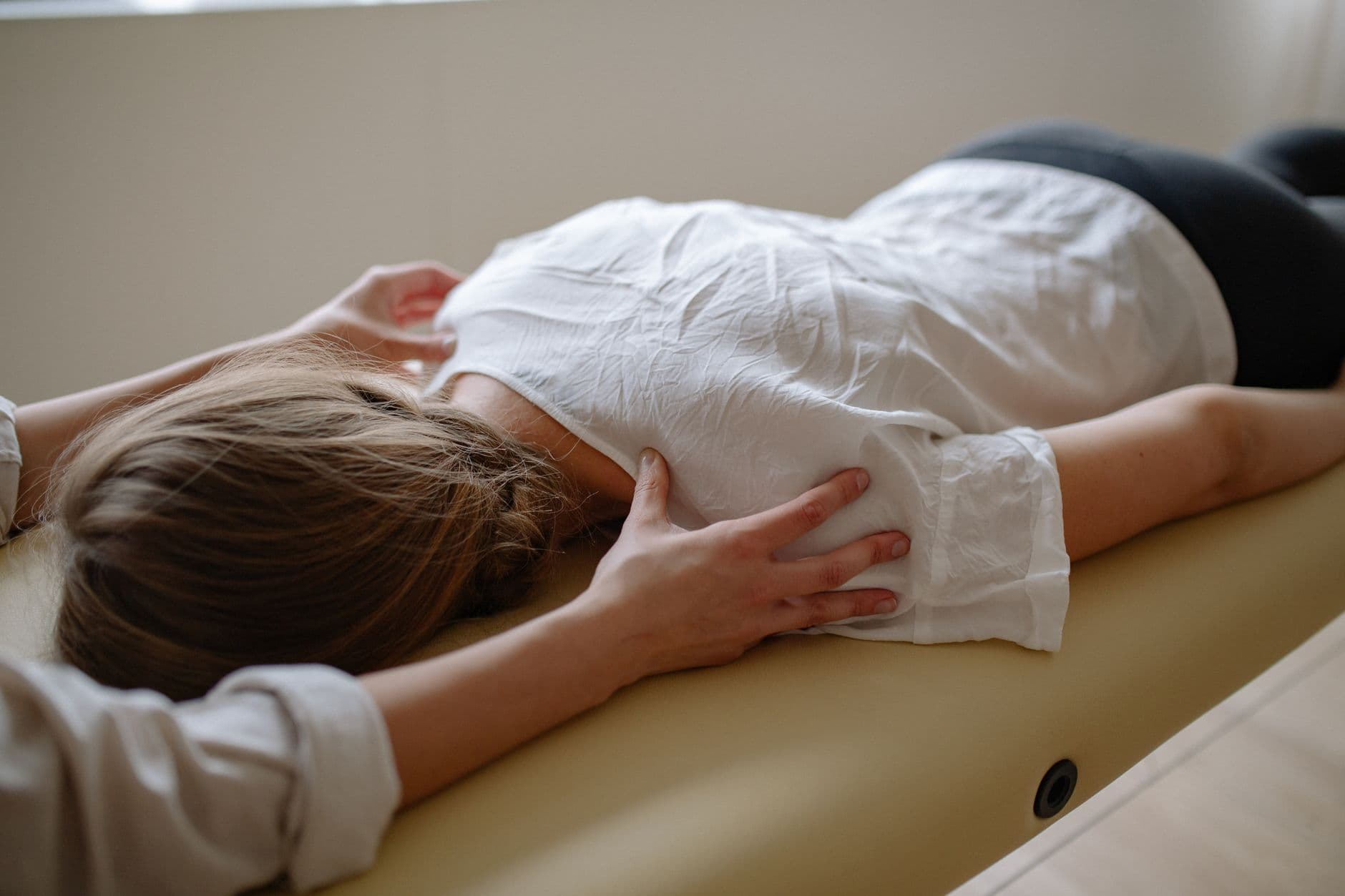
Pregnancy back pain, its causes, and how it changes across pregnancy months
Pregnancy back pain occurs due to the natural softening of ligaments and a shifting center of gravity as the fetus grows, and you can safely relieve it through gentle massage along the sides of the spine and warm compresses. According to the UK National Health Service (NHS), body ligaments naturally become softer and stretch to prepare for labour, putting extra strain on the joints of the lower back and pelvis. When you understand this physical change, you can step in with your hands to ease your wife's muscular burden at the end of each day.
If you are wondering what causes pregnancy back pain medically, it comes down to three simultaneous physical shifts your wife experiences. According to Cleveland Clinic, hormone release loosens joints, while extra weight at the front of the body pulls muscles forward, and stretched abdominal muscles weaken so they can no longer support the back as before. Relaxin is a hormone secreted by the body during pregnancy to loosen ligaments and joints and prepare the pelvis for childbirth.
Pregnancy back pain in the early months often appears due to early hormonal changes and fatigue, and pregnancy back pain in the third month continues as the pelvis begins to shift. As pregnancy progresses, pregnancy back pain in the fifth month and pregnancy back pain in the sixth month increase as the belly grows and the back arches backward to maintain balance. In the final stage, pregnancy back pain in the eighth month peaks and pregnancy back pain in the ninth month continues, as Cleveland Clinic notes that the fetus's head resting against the tailbone or lower back intensifies this pain.
Source: NHS · Cleveland Clinic
Treating pregnancy back pain with safe home massage step by step
Treating pregnancy back pain through home massage relies on light, gentle stroking of the muscles surrounding the spine while completely avoiding deep pressure. According to Cleveland Clinic, prenatal massage resembles Swedish massage, using light stroking techniques and gentle kneading to soothe tight muscles, reduce stress, and improve sleep. You do not need medical expertise to apply these movements, just a calm, steady touch that responds to what your wife feels.
Before starting the massage session, make sure to prepare a warm, comfortable space, and ask your wife to tell you immediately if any pressure feels uncomfortable. Use an unscented natural oil so your hands glide smoothly over the skin without pulling, and follow these practical steps for a safe and effective massage:
- Set your wife's position first so she lies on her side with a pillow between her bent knees and a pillow under her belly, or have her sit on a chair leaning forward with her arms and head resting on a pillow on a table.
- Warm your hands well by rubbing them together with a few drops of oil, then start with slow, long gliding strokes using your open palms from the lower back up toward the shoulders along both sides of the spine.
- Focus on the muscles running to the right and left of the spine using wide circular motions with the heel of your palm, and never press directly on the spine bones themselves.
- Move to the upper shoulders and base of the neck and gently knead the muscles between your fingers and palm to release tension caused by postural shifts.
- Continue the calm movements for 10 to 15 minutes while maintaining a slow, steady rhythm that helps her body relax.
Source: Cleveland Clinic · Cleveland Clinic · Mayo Clinic
Safe positions and prohibited areas when handling pregnancy back pain
Protecting your wife during a pregnancy back pain relief session requires avoiding flat lying on her stomach or back, and completely refraining from deep pressure on specific body areas. According to Mayo Clinic, lying on the side with one or both knees bent and using support pillows between the knees, under the stomach, and behind the back helps ease back strain. Lying flat on the back for prolonged periods in later pregnancy presses on major blood vessels, making the side-lying position the safest choice.
Beyond adjusting her position, there are areas on a pregnant woman's body where you must exercise caution and avoid strong pressure. According to Cleveland Clinic, you must avoid deep pressure on the abdomen, lower back, and legs, avoid pressure points around the ankles and toes as they may induce labor contractions, and consult an OBGYN first in high-risk pregnancies such as preeclampsia, high blood pressure, or blood clotting disorders. The table below outlines safe versus prohibited practices when massaging your wife:
| Element | Safe Practice (Do) | Prohibited Practice (Avoid) |
|---|---|---|
| Body Position | Lying on the side with a pillow between the knees, or sitting leaning forward on a pillow | Lying flat on the stomach or lying flat on the back |
| Pressure Intensity | Gentle surface gliding with the palm and light kneading of side muscles and shoulders | Deep tissue pressure on the lower back or direct pressure over spinal vertebrae |
| Body Areas | Muscles alongside the spine, upper back, and shoulders | Abdomen, deep pressure on legs, and areas around the ankles and toes |
| Special Medical Conditions | Consulting the OBGYN before starting any massage in a high-risk pregnancy | Applying massage in the presence of blood clots, preeclampsia, or bleeding without medical clearance |
Source: Cleveland Clinic · Mayo Clinic
Practical daily steps to help you relieve pain in a pregnant woman's back
Your role in relieving pain in a pregnant woman's back is not limited to an evening massage session; it extends to adjusting the home environment and taking over daily physical burdens. According to Mayo Clinic, placing a heating pad, warm water bottle, or ice pack on the back can relieve sore muscles, provided you set any heating pad to the lowest temperature and wrap it in a towel to prevent burns. Preparing this compress for her while she rests gives her muscles immediate relaxation before sleep.
In addition to heat therapy, the UK National Health Service (NHS) and Mayo Clinic recommend a set of daily adjustments that protect the spine and pelvis from repeated strain. You can apply these measures at home to protect your wife's back throughout the day:
- Take over lifting objects from the floor or carrying heavy shopping bags, and if she must lift something light, remind her to bend her knees and keep her back straight rather than bending at the waist, per NHS recommendations.
- Prepare her sitting chair by placing a small pillow or lumbar support cushion behind her lower back, and place a low footstool under her feet to elevate them slightly during prolonged sitting, per Mayo Clinic guidelines.
- Ensure the bed mattress supports her back properly; the NHS notes that you can place a piece of hardboard under a soft mattress to make it firmer if necessary.
- Encourage her to wear low-heeled shoes that provide good arch support, such as walking or athletic shoes, and avoid high heels that shift balance forward, according to Mayo Clinic.
Source: NHS · Mayo Clinic
Gentle stretching exercises to soothe pregnancy back pain in the eighth and ninth months
The pelvic tilt exercise on hands and knees helps strengthen stomach muscles and effectively ease pregnancy back pain, especially as the belly grows heavier in the third trimester. According to the UK National Health Service (NHS), gentle exercises like this strengthen stomach muscles and ease backache during pregnancy. You can sit beside your wife on an exercise mat to help her get down and up safely and guide her through the steps.
For your wife to perform this exercise correctly as recommended by the NHS and Mayo Clinic, help her calmly follow these sequential steps:
- Have her rest on her hands and knees (box position) with her hands under her shoulders and knees under her hips, keeping her back straight and her head in line with her back.
- She pulls her stomach muscles in and gently raises her back up toward the ceiling so her back rounds slightly and her head and bum tuck under.
- She holds this position for a few seconds while breathing normally, then slowly returns to the straight, neutral position, taking care not to hollow her back downward.
- She repeats this movement slowly and rhythmically 10 times, stopping immediately if she feels any sharp pain, according to NHS instructions.
Source: NHS · Mayo Clinic
What's common
- Set your wife's position first so she lies on her side with a pillow between her bent knees and a pillow under her belly, or have her sit on a chair leaning forward with her arms and head resting on a pillow on a table.
- Warm your hands well by rubbing them together with a few drops of oil, then start with slow, long gliding strokes using your open palms from the lower back up toward the shoulders along both sides of the spine.
- Focus on the muscles running to the right and left of the spine using wide circular motions with the heel of your palm, and never press directly on the spine bones themselves.
- Move to the upper shoulders and base of the neck and gently knead the muscles between your fingers and palm to release tension caused by postural shifts.
- Continue the calm movements for 10 to 15 minutes while maintaining a slow, steady rhythm that helps her body relax.
- Take over lifting objects from the floor or carrying heavy shopping bags, and if she must lift something light, remind her to bend her knees and keep her back straight rather than bending at the waist, per NHS recommendations.
- Prepare her sitting chair by placing a small pillow or lumbar support cushion behind her lower back, and place a low footstool under her feet to elevate them slightly during prolonged sitting, per Mayo Clinic guidelines.
- Ensure the bed mattress supports her back properly; the NHS notes that you can place a piece of hardboard under a soft mattress to make it firmer if necessary.
- Encourage her to wear low-heeled shoes that provide good arch support, such as walking or athletic shoes, and avoid high heels that shift balance forward, according to Mayo Clinic.
- Have her rest on her hands and knees (box position) with her hands under her shoulders and knees under her hips, keeping her back straight and her head in line with her back.
- She pulls her stomach muscles in and gently raises her back up toward the ceiling so her back rounds slightly and her head and bum tuck under.
- She holds this position for a few seconds while breathing normally, then slowly returns to the straight, neutral position, taking care not to hollow her back downward.
- She repeats this movement slowly and rhythmically 10 times, stopping immediately if she feels any sharp pain, according to NHS instructions.
When to call a doctor now
Stop the massage and seek urgent medical care or go to the emergency room immediately if your wife's back pain is accompanied by any of the following symptoms warned against by the NHS and Cleveland Clinic: loss of feeling or numbness in one or both legs, the buttocks, or genitals; back pain accompanied by fever, vaginal bleeding, or pain when urinating; pain in one or both sides under the ribs; or pain in the second or third trimester that feels like regular cramping in the abdomen or hips, as this could be a sign of early labour.
Follow your wife's pregnancy week by week with Nawah Partner Mode
Back pain is closely tied to fetal growth and shifting weight from month to month. With Partner Mode in the Nawah app, you can link your account to your wife's using a private code to see the exact same pregnancy week and baby size she sees, and get an instant push notification every time she logs a kick session.
Get NawahCommon questions
When does pregnancy back pain start?
According to the NHS, it is very common for back pain to start in the early stages of pregnancy as ligaments soften due to hormones. Cleveland Clinic also notes that pain becomes more pronounced in the second and third trimesters as the baby's weight increases and the body's center of gravity shifts.
What is the cause of pregnancy back pain?
According to Cleveland Clinic, back pain during pregnancy happens due to three main factors: hormonal changes that soften pelvic and lower back ligaments, weight gain that pulls the body forward and shifts the center of gravity, and the stretching and weakening of abdominal muscles which puts extra strain on back muscles.
What is the best treatment for pregnancy back pain at home?
According to the NHS and Mayo Clinic, safe home treatment includes getting a gentle back massage, using a heating pad on the lowest setting wrapped in a towel, sleeping on the side with a pillow between the knees, practicing gentle back stretches and walking, and sitting with a support pillow behind the lower back.
Is pregnancy back pain in the first month and second month normal?
Yes, the NHS confirms that back pain is very common in the early stages of pregnancy because the body starts releasing hormones early on that soften and stretch ligaments. As long as the pain is mild and not accompanied by vaginal bleeding, fever, or severe abdominal pain, it is a normal symptom you can ease with rest and warm compresses.
How do I relieve pregnancy back pain in the fourth month?
With the start of the second trimester in the fourth month, the belly gradually begins to show, and Mayo Clinic advises avoiding standing for long periods, resting one foot on a low step stool if standing is necessary, wearing comfortable low-heeled shoes with arch support, and sleeping on the side with pregnancy pillows.
When is pregnancy back pain in the eighth or ninth month a sign of labour?
According to Cleveland Clinic and the NHS, back pain in the second or third trimester may be a sign of labour if it starts suddenly and sharply, or if it feels like cramping that radiates to the hips or abdomen and does not go away with changing positions or gentle massage; in this case, you should contact the healthcare provider immediately.
Can painkillers be used alongside massage to relieve pregnancy back pain?
According to the NHS, a pregnant woman can take paracetamol to ease back pain during pregnancy unless her doctor or midwife advises otherwise, while always following the instructions on the packet and consulting a doctor before taking any other medication.
Sources
- Back pain in pregnancy - NHSNHS · retrieved 2026-10-26
- Back Pain During Pregnancy - Cleveland ClinicCleveland Clinic · retrieved 2026-10-26
- Massage Therapy & Prenatal Massage - Cleveland ClinicCleveland Clinic · retrieved 2026-10-26
- Back pain during pregnancy: 7 tips for relief - Mayo ClinicMayo Clinic · retrieved 2026-10-26
This guide is general information, not medical advice. It does not replace a doctor, and it knows nothing about your particular pregnancy. If something feels wrong, contact your doctor instead of waiting for the next scheduled visit.