Father's Guide • Nutrition and Fatigue Relief
Healthy Pregnancy Meals: Your Practical Guide to Preparing Your Wife's Food and Managing Her Fatigue
Taking charge of the kitchen lifts a daily physical burden off your wife and spares her nausea-triggering cooking smells. Here you will find steps to prepare safe food for every stage of pregnancy based on documented medical guidelines. The Nawah team prepared this guide for educational purposes, and no clinician wrote or reviewed it.
Essential Pregnancy Meals and Relieving Your Wife of Kitchen Fatigue
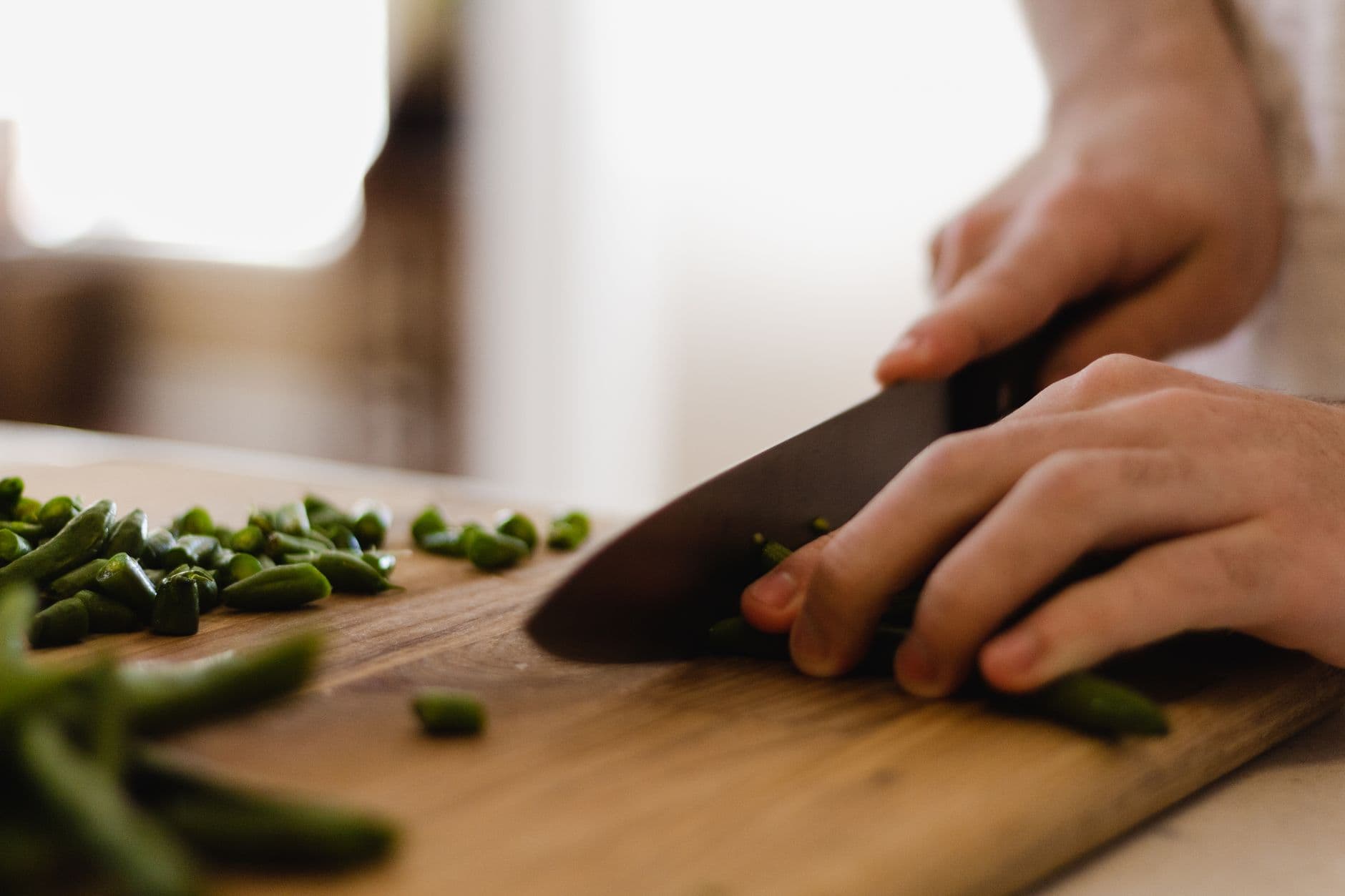
Healthy pregnancy meals rely on eating at least 5 portions of fruit and vegetables daily, with wholegrain starchy foods making up just over a third of the food, according to the UK National Health Service (NHS). Your wife does not need to eat for two; rather, she needs balanced meals prepared by you to spare her from standing long in kitchen heat. Your practical role starts with shopping for fresh ingredients and prepping ready-to-eat snacks in the fridge that she can reach without effort.
According to Kent Community Health NHS Foundation Trust, feeling very tired and exhausted is extremely common during pregnancy, especially in the first 12 weeks due to hormonal changes. When you take over washing vegetables, cutting meat, and cooking meals, you give her body the hours of rest it needs to build the placenta and grow the baby.
Alongside cooking, securing essential supplements with food falls to you. According to the NHS Best Start in Life programme, your wife needs to take 400 micrograms of folic acid daily until week 12 to prevent neural tube defects such as spina bifida, along with 10 micrograms of vitamin D daily to support healthy bones and teeth.
- Wash fresh fruit and vegetables thoroughly under running water before placing them in serving bowls to remove any soil that may carry bacteria or parasites.
- Rely on wholegrains such as brown bread, brown rice, and wholewheat pasta instead of refined white starchy foods.
- Serve thoroughly cooked protein sources every day, such as poultry, fish, fully cooked eggs, and pulses like lentils, fava beans, and chickpeas.
- Prepare healthy snacks in small containers such as hummus with carrot and cucumber sticks, pasteurised low-fat yoghurt with fruit, or dried figs and apricots.
- Place a water bottle beside her bed and seating area so she can drink small, frequent amounts throughout the day.
Source: NHS · NHS Best Start in Life · Kent Community Health NHS Foundation Trust
Pregnancy Meals in the First Months to Manage Morning Sickness
Pregnancy meals in the first months focus on bland, dry foods and dividing food into small, frequent meals, because nausea affects around 8 out of 10 pregnant women, according to The Rotherham NHS Foundation Trust. This nausea typically starts between week 4 and week 7, is not limited to the morning, and usually improves between week 12 and week 20. Strong smells from frying food or simmering sauces are the primary trigger for vomiting, so keeping your wife out of the kitchen during this stage is a daily necessity.
When preparing pregnancy meals in the first month, focus on keeping her stomach from being completely empty early in the morning. According to Wrightington, Wigan and Leigh NHS Foundation Trust, eating a few plain crackers or dry toast about 20 minutes before getting out of bed helps reduce morning sickness severity. You can place a box of plain crackers or dry toast on her bedside table every night before you sleep.
When preparing pregnancy meals in the second month, hormonal changes and nausea are at their peak, making her reject greasy or spicy dishes. According to the NHS Best Start in Life programme, the stomach during these weeks tolerates bland foods such as baked potatoes, plain pasta, and white rice, while ginger and sucking ice cubes also help settle the stomach.
- Bring her plain biscuits or dry toast while she is still in bed 20 minutes before she gets up.
- Divide her food into small snacks every hour or two instead of 3 large meals that overwhelm her stomach.
- Prepare cold or room-temperature meals such as homemade sandwiches with pasteurised cheese, as cold food does not release strong odours.
- Make her warm ginger tea or offer ginger biscuits to ease nausea during the day.
- Open kitchen windows and run the extractor fan while cooking, and close the kitchen door to keep smells from reaching her room.
Source: NHS Best Start in Life · The Rotherham NHS Foundation Trust · Wrightington, Wigan and Leigh NHS Foundation Trust
Pregnancy Meal Safety Rules and Foods to Avoid in Your Kitchen
Pregnancy meal safety requires excluding undercooked meats, unpasteurised cheeses, and liver, and limiting caffeine to no more than 200 milligrams a day, according to the NHS. Some raw or unpasteurised foods contain listeria bacteria, which causes listeriosis and can lead to miscarriage, stillbirth, or severe illness in a newborn baby.
While working in the kitchen, you need to apply strict hygiene rules that prevent bacteria from transferring from raw meat to ready-to-eat foods. According to the NHS, you must use a completely separate knife and chopping board for raw meats, and cook meat, poultry, burgers, and sausages until steaming hot with no trace of pink or blood inside.
Pay close attention as well to the drinks and supplements you buy. According to the NHS, liver and liver products like cod liver oil contain high amounts of vitamin A that can harm the baby's development, and she should not exceed 4 cups of herbal tea daily while avoiding liquorice root. The table below outlines safe alternatives you can use when cooking.
| Food Group | Avoid or Take Care With in Pregnancy | Safe Alternative in Your Kitchen |
|---|---|---|
| Meat and Poultry | Raw or undercooked meat, liver and liver products, cold cured meats like salami and pepperoni unless cooked until steaming hot | Beef, lamb, and poultry cooked thoroughly all the way through until no pink remains |
| Cheese and Dairy | Unpasteurised milk, mould-ripened soft cheeses like Brie and Camembert, and uncooked blue-veined cheeses | Hard cheeses like Cheddar, and pasteurised soft cheeses like cottage cheese, feta, mozzarella, halloumi, and cream cheese |
| Eggs | Raw or runny eggs, and homemade mayonnaise made with raw eggs | Eggs boiled or fried thoroughly until both the white and yolk are completely solid |
| Fish | Raw fish and raw shellfish, and cold-smoked fish like smoked salmon unless cooked until steaming hot | Fish and seafood cooked thoroughly with heat |
| Drinks | Exceeding 200 mg of caffeine daily, energy drinks, liquorice root, or more than 4 cups of herbal tea daily | Water, pasteurised milk, and a maximum of two mugs of coffee or 3 mugs of tea daily depending on caffeine content |
Source: NHS · NHS · NHS Best Start in Life · North West Anglia NHS Foundation Trust
Pregnancy Meals in the Fourth, Fifth, and Sixth Months
Pregnancy meals in the fourth month focus on replenishing nutrients such as iron and calcium after first-trimester nausea subsides for most women between week 12 and week 20, according to The Rotherham NHS Foundation Trust. At this stage, your wife gradually regains her appetite and becomes able to eat complete dishes containing dark leafy greens, pulses, and well-cooked meats.
As you move to preparing pregnancy meals in the fifth month, weight begins to increase naturally as the baby grows. Your role here is to provide filling, fibre-rich foods that prevent common pregnancy constipation without adding saturated fats or high sugars.
When preparing pregnancy meals in the sixth month, her body's need for iron grows to support increased blood flow and nourish the baby. According to Aneurin Bevan University Health Board (NHS Wales), iron-rich sources include lean red meat, lentils, beans, dark green vegetables like spinach and broccoli, wholemeal bread, and dried apricots, while calcium is found in pasteurised dairy, tahini, and tofu.
- Cook lentil or bean soup with vegetables as a filling lunch rich in iron and fibre.
- Add sesame tahini and chickpeas to her daily meals to support both calcium and iron levels.
- Replace fried chips with oven-baked potatoes with their skins left on to increase fibre and reduce fat and salt.
- Offer her a handful of dried fruit such as apricots, figs, or prunes as a snack between meals.
Source: NHS · The Rotherham NHS Foundation Trust · Kent Community Health NHS Foundation Trust · Aneurin Bevan University Health Board (NHS Wales)
Pregnancy Meals in the Seventh, Eighth, and Ninth Months
Pregnancy meals in the seventh month rely on reducing single meal sizes and increasing their frequency to ease heartburn and indigestion caused by the growing womb pressing on the stomach, according to the NHS. Acid reflux is stomach acid travelling up towards the throat due to pregnancy hormones relaxing the lower oesophageal sphincter muscle, causing a burning sensation in the chest that worsens when lying down or bending over.
While preparing pregnancy meals in the eighth month, standing in the kitchen becomes exhausting for her back and feet, and stomach acidity worsens in the evening. According to the NHS, stopping food intake 3 to 4 hours before bedtime and avoiding fatty or spicy foods, chocolate, tomatoes, and coffee helps prevent acid reflux during the night.
When preparing pregnancy meals in the ninth month, your wife needs sustained, easy-to-digest energy in preparation for labour and birth without weighing down her stomach. During this month, you can cook double batches of healthy soups and stews and portion them into freezer containers, ready to be reheated until steaming hot during the final days of pregnancy and the first days home from the hospital.
- Serve her dinner early so she finishes eating at least 3 to 4 hours before her bedtime.
- Place a glass of low-fat pasteurised milk beside her bed, as drinking milk can help soothe nighttime heartburn.
- Set up a comfortable seating spot that supports her back so she can eat sitting upright, taking pressure off her stomach.
- Store pre-cooked meals in the freezer, and when reheating them, make sure they are steaming hot all the way through.
Meals for a Pregnant Woman with Diabetes and Organising Pregnancy Meals in Ramadan
Meals for a pregnant woman with diabetes require sticking to 3 regular meals a day without skipping any, while replacing simple sugars with slow-release carbohydrates and lean proteins, according to the NHS. Gestational diabetes is high blood sugar that develops during pregnancy, usually detected via an oral glucose tolerance test between week 24 and week 28, and normally disappears after birth.
If the doctor diagnoses your wife with gestational diabetes, sharing the same meal plan with her removes feelings of isolation and helps stabilise her blood sugar readings. According to the NHS, a pregnant woman is usually advised to test her blood sugar before breakfast and 1 hour after each meal, alongside aiming for 150 minutes of moderate physical activity a week, such as walking together after meals to lower blood glucose.
Regarding pregnancy meals in Ramadan, if your wife decides to fast after consulting her doctor and confirming her health allows it, your role centres on preparing Iftar and Suhoor to prevent dehydration and low blood sugar. Ensure she starts Iftar with water, warm soup, well-cooked protein, and vegetables, and delay Suhoor to include complex carbohydrates such as porridge with pasteurised milk or fava beans with wholemeal bread.
- Keep sugary fizzy drinks and concentrated fruit juices out of the house, as they spike blood sugar rapidly.
- Serve whole fruit in moderation instead of juicing it, and always pair it with a protein source or unsalted nuts.
- Accompany your wife on a gentle 20 to 30 minute walk after main meals to support blood sugar stability.
What's common
- Wash fresh fruit and vegetables thoroughly under running water before placing them in serving bowls to remove any soil that may carry bacteria or parasites.
- Rely on wholegrains such as brown bread, brown rice, and wholewheat pasta instead of refined white starchy foods.
- Serve thoroughly cooked protein sources every day, such as poultry, fish, fully cooked eggs, and pulses like lentils, fava beans, and chickpeas.
- Prepare healthy snacks in small containers such as hummus with carrot and cucumber sticks, pasteurised low-fat yoghurt with fruit, or dried figs and apricots.
- Place a water bottle beside her bed and seating area so she can drink small, frequent amounts throughout the day.
- Bring her plain biscuits or dry toast while she is still in bed 20 minutes before she gets up.
- Divide her food into small snacks every hour or two instead of 3 large meals that overwhelm her stomach.
- Prepare cold or room-temperature meals such as homemade sandwiches with pasteurised cheese, as cold food does not release strong odours.
- Make her warm ginger tea or offer ginger biscuits to ease nausea during the day.
- Open kitchen windows and run the extractor fan while cooking, and close the kitchen door to keep smells from reaching her room.
- Cook lentil or bean soup with vegetables as a filling lunch rich in iron and fibre.
- Add sesame tahini and chickpeas to her daily meals to support both calcium and iron levels.
- Replace fried chips with oven-baked potatoes with their skins left on to increase fibre and reduce fat and salt.
- Offer her a handful of dried fruit such as apricots, figs, or prunes as a snack between meals.
- Serve her dinner early so she finishes eating at least 3 to 4 hours before her bedtime.
- Place a glass of low-fat pasteurised milk beside her bed, as drinking milk can help soothe nighttime heartburn.
- Set up a comfortable seating spot that supports her back so she can eat sitting upright, taking pressure off her stomach.
- Store pre-cooked meals in the freezer, and when reheating them, make sure they are steaming hot all the way through.
- Keep sugary fizzy drinks and concentrated fruit juices out of the house, as they spike blood sugar rapidly.
- Serve whole fruit in moderation instead of juicing it, and always pair it with a protein source or unsalted nuts.
- Accompany your wife on a gentle 20 to 30 minute walk after main meals to support blood sugar stability.
When to call a doctor now
When Should You Call the Doctor or Go to the Hospital Immediately?
- Your wife is unable to keep any food or fluids down for 24 hours due to persistent vomiting.
- Signs of dehydration appear, such as extreme thirst, dizziness or fainting when standing, passing very little urine, or dark yellow or brown urine.
- Noticeable weight loss resulting from severe nausea and vomiting (hyperemesis gravidarum, which affects 3 in every 100 pregnancies).
- Difficulty swallowing or food getting stuck in the throat, or severe heartburn that persists despite adjusting meals.
- Fever, stomach pain, or vomiting after eating food suspected of contamination.
Follow Her Pregnancy Week and Baby Size from Your Phone on Nawah
Knowing which week your wife is in makes it easier to prepare the right meal for her current symptoms. In partner mode inside the Nawah app, you link your phone to her pregnancy with an invite code, see the exact same pregnancy week and baby size she sees along with your weekly role tips, and get an instant push notification every time she finishes a kick-counting session.
Get NawahCommon questions
What are the most important pregnancy meals in the first month?
Pregnancy meals in the first month focus on light, easy-to-digest foods like toast, wholegrains, and thoroughly washed vegetables, alongside taking a 400 microgram daily folic acid supplement according to the NHS. Serving dry crackers before she gets out of bed helps ease early nausea.
How do I prepare pregnancy meals in the second month when nausea worsens?
Pregnancy meals in the second month rely on dividing food into small snacks every two hours and avoiding fried or spicy foods with strong smells. According to the NHS Best Start in Life programme, a pregnant woman during this period tolerates baked potatoes, plain pasta, and ginger drinks.
What distinguishes pregnancy meals in the fourth and fifth months?
In pregnancy meals in the fourth and fifth months, nausea gradually subsides and the need for protein, iron, and fibre increases. Make sure to cook lean meats, lentils, chickpeas, and dark leafy greens, and use wholegrains to prevent constipation and support natural weight gain.
What should pregnancy meals in the sixth month contain?
Pregnancy meals in the sixth month need rich sources of iron and calcium such as spinach, pulses, fully cooked eggs, pasteurised dairy, and tahini, according to Aneurin Bevan University Health Board (NHS Wales). Serve these foods with fresh fruit rich in vitamin C to support iron absorption.
How do I prepare pregnancy meals in the seventh and eighth months to avoid heartburn?
To reduce heartburn in pregnancy meals in the seventh and eighth months, serve small frequent meals and stop eating 3 to 4 hours before bed, according to the NHS. Avoid spicy sauces, chocolate, and fats at dinner, and offer a glass of pasteurised milk when heartburn occurs.
What are the best pregnancy meals in the ninth month before birth?
The best pregnancy meals in the ninth month are light meals rich in complex carbohydrates and protein, such as porridge with milk, soups cooked with chicken and vegetables, and dried fruit like dates and apricots. These foods give your wife's body steady energy without weighing down her stomach.
What are the requirements for meals for a pregnant woman with diabetes?
Meals for a pregnant woman with diabetes rely on eating 3 regular meals daily without skipping any, choosing slow-release wholegrain starches with lean protein and cooked fish, and avoiding sweetened juices and fizzy drinks, according to the NHS.
How do I organise pregnancy meals in Ramadan if the doctor permits fasting?
To organise pregnancy meals in Ramadan after a doctor's approval, divide her food between Iftar and Suhoor into 3 balanced meals, starting Iftar with water and soup to replace fluids gradually. Keep Suhoor late and rich in fibre and protein, such as fava beans, hard-boiled eggs, and wholemeal bread to keep blood sugar stable.
Sources
- Have a healthy diet in pregnancyNHS · retrieved 2026-10-27
- Foods to avoid in pregnancyNHS · retrieved 2026-10-27
- Vitamins and supplements in pregnancy & Morning sicknessNHS Best Start in Life · retrieved 2026-10-27
- Nausea and vomiting in pregnancy and hyperemesis gravidarumThe Rotherham NHS Foundation Trust · retrieved 2026-10-27
- Gestational diabetes and treatmentNHS · retrieved 2026-10-27
- Sleep in pregnancyKent Community Health NHS Foundation Trust · retrieved 2026-10-27
- Eat well during pregnancy & Weight gain in pregnancyAneurin Bevan University Health Board (NHS Wales) · retrieved 2026-10-27
- Nausea & Vomiting in PregnancyWrightington, Wigan and Leigh NHS Foundation Trust · retrieved 2026-10-27
- Living healthily during your pregnancyNorth West Anglia NHS Foundation Trust · retrieved 2026-10-27
- Heartburn and acid refluxNHS · retrieved 2026-10-27
This guide is general information, not medical advice. It does not replace a doctor, and it knows nothing about your particular pregnancy. If something feels wrong, contact your doctor instead of waiting for the next scheduled visit.