Mother's Guide — New Topics
Causes of heartburn during pregnancy and how to relieve it safely at home and with medication
In this guide from the Nawah team, we explain the medical causes of acid reflux during pregnancy, practical steps to soothe your stomach at home, and when to ask your doctor for safe medication.
Causes of heartburn during pregnancy and physical changes
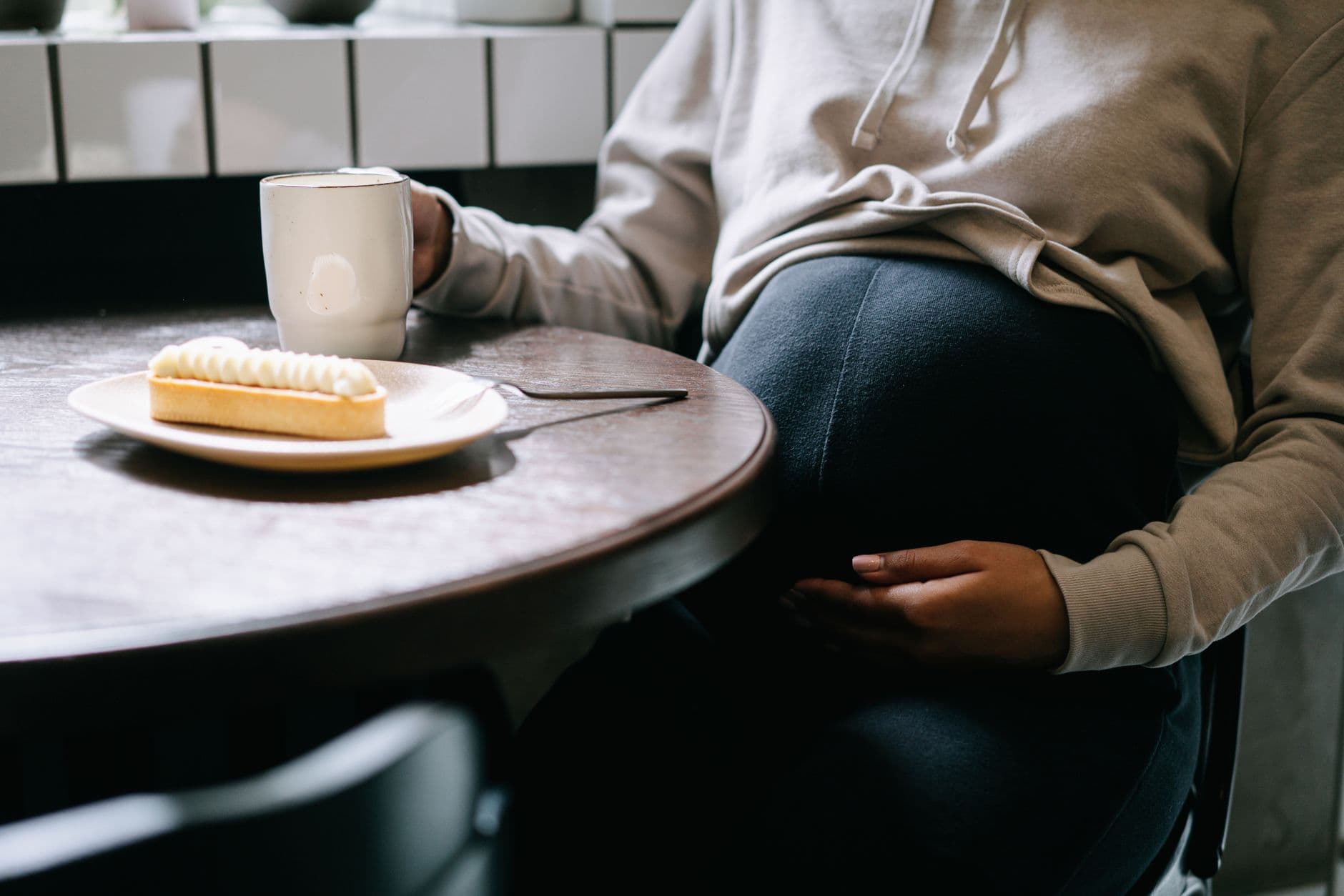
The causes of heartburn during pregnancy come down to hormonal changes in early pregnancy, followed by your growing baby pressing against your stomach in later months, according to the UK National Health Service (NHS). Pregnancy hormones relax the muscular ring separating your oesophagus and stomach, allowing stomach acid to travel back up more easily. As your pregnancy progresses, your expanding uterus pushes against your stomach and increases this reflux, especially after eating a large meal or lying down.
You feel this condition as a burning sensation behind your breastbone or in your throat, often accompanied by indigestion and feeling full very quickly. The oesophageal sphincter is a muscular valve that acts as a barrier preventing food and acid from rising out of the stomach toward the throat. When this valve relaxes due to progesterone, acidic fluids pass upwards much more easily than usual.
The Nawah team prepared this educational material based on reliable medical references, and no clinician wrote or reviewed this page. Always consult your doctor before taking any medication during your pregnancy.
- Relaxation of the upper stomach valve due to rising pregnancy hormones.
- Slower digestion keeping food inside your stomach for a longer time.
- Increasing pressure from the uterus on your abdominal cavity and stomach in the second and third trimesters.
Source: NHS
Causes of persistent heartburn in pregnancy and daily triggers
The causes of persistent heartburn during pregnancy are linked to daily eating habits and meal timing that increase acid production and reflux, according to the NHS. You may notice the burning feeling stays with you all day if you eat large, rich meals at once or lie down right after eating. Your symptoms are also more likely to persist if you experienced indigestion before getting pregnant or if you have been pregnant before.
Indigestion is a medical term describing pain or discomfort in the upper abdomen, and it often happens alongside heartburn. When your stomach fills with rich or spicy food, it takes longer to empty its contents, keeping pressure high against your already relaxed oesophageal valve. Identifying the specific foods that irritate your stomach helps you break the cycle of daily heartburn.
| Daily trigger | Effect on your stomach | Comfortable alternative |
|---|---|---|
| Large and fatty meals | Stretches the stomach and slows acid emptying | Small, frequent, low-fat meals |
| Spicy foods and strong seasonings | Irritates the oesophagus lining and increases burning | Food cooked with mild, gentle herbs |
| Chocolate and citrus fruit juices | Further relaxes the stomach valve and raises acidity | Non-citrus fruits and drinking water between meals |
| Caffeinated drinks | Stimulates stomach acid production | Gradually cut down caffeine and replace with water |
| Eating right before bed | Acid flows back into the oesophagus when lying flat | Stop eating 3 hours before going to sleep |
Source: NHS
Heartburn in early pregnancy and the effect of hormones
Heartburn in early pregnancy begins as a result of rapidly rising pregnancy hormones that slow down your digestive tract, according to the NHS. Although heartburn becomes most common from week 12 of pregnancy onwards, experiencing it in your first trimester is completely normal and not a cause for alarm. At this early stage, your baby is still tiny, so the cause is entirely due to hormonal effects on your stomach and oesophageal muscles.
You might confuse early heartburn symptoms with the morning sickness common in the first three months. If you notice a bitter or sour taste in your mouth along with a burning feeling in the centre of your chest after eating, these are signs of acid reflux rather than passing nausea. Eating light, dry snacks throughout the day helps calm both nausea and heartburn during these weeks.
Source: NHS
Heartburn in the eighth and ninth months of pregnancy
Heartburn in the eighth and ninth months of pregnancy intensifies because your baby reaches full size and presses directly against your stomach, according to the NHS. In the third trimester, your uterus takes up most of your abdominal space and pushes your stomach toward your diaphragm, causing acid to rise even after eating small amounts of food. This stage is the most common time for symptoms to appear or worsen for most mothers.
Late in the ninth month, you might feel slight relief from heartburn when your baby's head drops down into your pelvis in preparation for birth, easing the pressure on your stomach. Heartburn usually disappears completely after giving birth once your hormones and uterus return to their normal state. Until then, splitting up your meals and sleeping propped up remain your primary defence for staying comfortable.
Source: NHS
Treating heartburn during pregnancy safely at home
Treating heartburn during pregnancy at home relies on adjusting your meal sizes and your sitting and sleeping posture to reduce acid reflux, according to the NHS. Before turning to medication, doctors advise trying simple changes to your daily routine, as these steps alone are often enough to relieve mild to moderate burning for many pregnant women. Apply these daily habits to soothe your stomach:
- Split your food into small, frequent meals throughout the day instead of 3 large meals.
- Stop eating within 3 hours of going to bed at night.
- Sit up straight while eating and afterwards, avoiding bending forward or lying down immediately.
- Raise the head of your bed using wooden blocks or bricks under the bedposts, or use extra pillows to prop up your chest and head.
- Avoid foods rich in fat, hot spices, chocolate, and citrus juices.
- Cut down on drinks containing caffeine as they worsen your symptoms.
- Stop smoking completely, as the chemicals relax your stomach valve and harm your baby's health.
Source: NHS
Medical treatment for heartburn in pregnancy with safe medications
Medical treatment for heartburn in pregnancy includes antacids and alginates prescribed by a doctor or pharmacist suitable for pregnancy, according to the NHS. If home adjustments do not bring you relief, do not buy heartburn medication on your own, as some over-the-counter options are not suitable for pregnant women. Always tell the pharmacist that you are pregnant so they can select a safe formula for you.
Antacids are medicines that neutralise the acidic liquid inside your stomach to relieve burning right away. Alginates are substances that form a protective floating barrier over your stomach contents to stop acid from rising into your oesophagus. If you take iron supplements during your pregnancy, make sure to space out your iron pill and your antacid dose, because antacids block your body from absorbing iron if taken at the same time.
In cases where heartburn persists despite using antacids and alginates, your doctor may prescribe stronger medications that reduce the amount of acid your stomach produces, such as omeprazole, which is safe to use on prescription during pregnancy.
Source: NHS
What's common
- Relaxation of the upper stomach valve due to rising pregnancy hormones.
- Slower digestion keeping food inside your stomach for a longer time.
- Increasing pressure from the uterus on your abdominal cavity and stomach in the second and third trimesters.
- Split your food into small, frequent meals throughout the day instead of 3 large meals.
- Stop eating within 3 hours of going to bed at night.
- Sit up straight while eating and afterwards, avoiding bending forward or lying down immediately.
- Raise the head of your bed using wooden blocks or bricks under the bedposts, or use extra pillows to prop up your chest and head.
- Avoid foods rich in fat, hot spices, chocolate, and citrus juices.
- Cut down on drinks containing caffeine as they worsen your symptoms.
- Stop smoking completely, as the chemicals relax your stomach valve and harm your baby's health.
When to call a doctor now
According to the NHS, you should see your doctor if your heartburn does not improve, or if you develop any of the following signs:
- Difficulty swallowing food or feeling like food gets stuck in your throat.
- Persistent or frequent vomiting that you cannot keep under control.
- Severe pain in your stomach or upper abdomen (especially if accompanied by a headache or swelling, to rule out pre-eclampsia).
- Unexplained weight loss during your pregnancy weeks.
- Distressing symptoms that continue despite following home care advice and simple medications.
Log your heartburn symptoms in the Nawah app to review with your doctor
Use the symptom/mood log in the Nawah app to record when your heartburn flares up and which meals preceded it each day, so you remember every detail clearly at your next doctor's visit.
Get NawahCommon questions
When does heartburn start during pregnancy?
Heartburn can start at any point during pregnancy due to early hormonal changes, according to the NHS. However, symptoms become much more common and noticeable from week 12 of pregnancy onwards due to the growing uterus pressing against the stomach.
What are the symptoms of heartburn in pregnancy?
Symptoms include a burning sensation or pain in your chest behind your breastbone after eating, and sour or bitter fluid rising into your throat, according to the NHS. You may also feel full and bloated very quickly, burp frequently, and feel sick.
What relieves heartburn in pregnancy quickly at home?
Sitting upright immediately and avoiding bending over or lying flat helps stop acid from rising into your oesophagus, according to the NHS. Eating small, low-fat meals and having a drink of low-fat milk can also help soothe temporary burning.
What is the best pharmacy treatment for heartburn in pregnancy?
Antacids and alginates formulated as safe for pregnancy are the primary option for soothing heartburn, according to the NHS. Consult your pharmacist or doctor to choose a product free of unsuitable ingredients, and do not take it at the same time as iron tablets.
Is herbal treatment for heartburn safe during pregnancy?
Taking herbal mixtures to treat heartburn during pregnancy is not recommended without consulting your doctor, as many herbs are not proven safe for your baby and may trigger uterine contractions or further stomach irritation. Rely instead on meal adjustments and medically approved treatments from your doctor.
Why does pregnancy heartburn get worse when sleeping at night?
Heartburn worsens at night because lying flat removes the effect of gravity, making it easy for stomach acid to flow back through the relaxed valve into your oesophagus, according to the NHS. Stop eating 3 hours before bed and prop up your head and shoulders with extra pillows to reduce this reflux.
Is heartburn during pregnancy related to the baby's hair?
Linking the severity of heartburn to the thickness of your baby's hair is a common folk belief, whereas the medically established cause of heartburn is the hormonal relaxation of the stomach valve and pressure from the growing uterus, according to the NHS. Treat heartburn as a normal digestive symptom that responds to meal management rather than a sign of your baby's appearance.
Sources
- Indigestion and heartburn in pregnancy — NHSNHS · retrieved 2026-10-27
This guide is general information, not medical advice. It does not replace a doctor, and it knows nothing about your particular pregnancy. If something feels wrong, contact your doctor instead of waiting for the next scheduled visit.